Looking for affordable EV charger installation in Lake County? Compare charger types, permits, and what reliable Electric vehicle charger installation Services in Lake County include.
Plugging into a wall outlet was fine when you owned your first EV. But as battery sizes grow and daily driving habits change, that slow trickle stops cutting it. A proper home charger gives you a full battery overnight, protects your electrical panel, and adds real value to your home. Across Lake County, from Mount Dora to Clermont and Tavares, more families are switching to electric, and they want chargers that match the cars they actually drive. At Altech Electric of Central Florida, Inc, we wire EV chargers for Florida homes the right way the first time, with code-compliant panels, weather-rated equipment, and proper load calculations. So how do you pick between a basic Level 1 outlet and a faster Level 2 station? And what should you ask a contractor before any wires run through your wall? The best EV charging station services in Lake County start with understanding how you actually use your car, not just selling you the biggest unit on the shelf.
Why home EV charging matters for Lake County drivers
Public chargers are everywhere now, but they are not where you need them most. The Department of Energy (2024) reports that 80% of EV charging happens at home, where drivers park the longest and pay the least per kilowatt-hour. For Lake County residents commuting to Orlando or Leesburg, a home unit cuts trips to public stations to almost zero.
Property value also responds well. According to a Zillow study (2023), homes with installed Level 2 chargers sold an average of 8 days faster than similar homes without them in EV-heavy markets. Florida’s growing EV registrations, up 41% year over year per the state DMV, mean buyers in Lake County now look for these features during home tours.
Comfort matters too. Hot Florida afternoons turn parked EVs into ovens, and many drivers precondition their cars while still plugged in. That uses electricity, and a slow charger cannot keep up. Reliable Electric vehicle charger installation Services in Lake County start with sizing the unit to your driving routine, not just your panel.
Charger types and what fits Florida homes best
Picking the right charger is more about your driving habits than your car model. Lake County’s mix of older ranch homes around Eustis and newer builds in Minneola means panel capacity varies a lot. Some homes handle a 50-amp circuit easily, while others need a panel upgrade first.
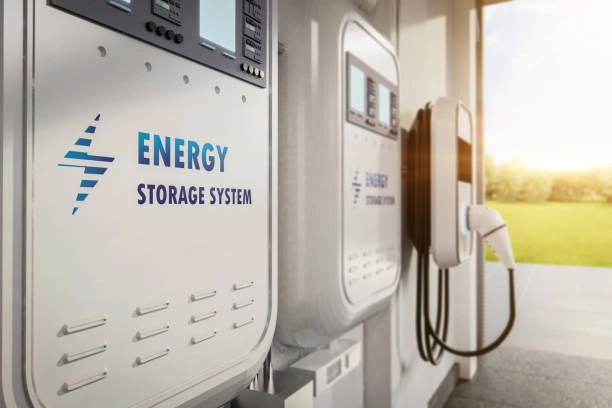
Level 1 chargers plug into a standard 120-volt outlet and add roughly 3 to 5 miles of range per hour. They work for plug-in hybrids and light commuters but leave full battery EVs short on busy weeks. Level 2 chargers run on 240 volts, similar to a clothes dryer circuit, and add 25 to 40 miles per hour. Most Lake County families pick Level 2 because it handles a full charge overnight, even after long drives to Orlando or the beach.
Hardwired units sit slightly above plug-in versions in price but allow higher amperage and weather-tight installs for garages and carports. Smart chargers add Wi-Fi tracking, scheduled charging during cheap utility hours, and load-sharing for two-EV households.
Have you checked your electrical panel’s open breaker slots and main amperage? That single look tells you whether your install is straightforward or needs upgrade work first. The best EV charging station services in Lake County always include this load assessment before quoting anything.
Comparison table: EV charger options at a glance
| Charger Type | Install Time | Charge Speed | Best For | Lifespan |
| Level 1 (120V) | Same day | 3 to 5 miles/hr | Plug-in hybrids, light driving | 10+ years |
| Level 2 (240V) Plug-in | 1 day | 25 to 30 miles/hr | Daily drivers, single-car homes | 12 to 15 years |
| Level 2 Hardwired | 1 to 2 days | 30 to 40 miles/hr | High-mileage drivers, outdoor mounts | 15+ years |
| Smart Level 2 | 1 to 2 days | 25 to 40 miles/hr | Solar homes, multi-EV households | 12 to 15 years |
The charger installation process step by step
A proper EV charger install goes through a clear path. This is a video of the steps to take. Electric vehicle charger installation Services in Lake County done by experts get over and completed in a single working day when the panel has capacity.
It is important to site assessment. The electrician conducts an inspection of your main panel, checks available amperage and determines the distance of the panel to your parking. Time is added by long runs through finished walls or attics. The team should also check for ground faults and verify that your home’s current wiring is safe.
Removing the permit. Lake County mandates filing an electrical permit for any EV charger installation with an amperage that exceeds 30 amps. This must be done through the county Building Services Division. Final inspection takes place after the works completion. If you skip permits, your homeowner’s insurance is voided and resale problems arise.
The next step is wiring and mounting. To ensure everything is in order, the electrician will provide a dedicated circuit from the panel to the charger location. The electrician will use 6-gauge copper for the 50-amp models. The charger is installed on a stud or masonry wall and sealed against the humidity of Florida. If outdoors, it will be connected with weather-rated conduit. A professional electrician in Lake County had some good advice: “A garage unit is one thing. An outdoor charger in our humidity needs sealed connections and proper drip loops, or you get corrosion within two years.”
Conclude the task with final testing. The team powers up the circuit, runs the charger on full load, and walks you through the app setup if it is a smart unit.
What affects the cost of your EV charger project
Several factors shape what a charger install costs in Lake County, and knowing them helps you read quotes fairly. The charger model is the smallest variable for most homes. Wiring distance, panel capacity, and outdoor versus indoor mounting drive the bigger price differences.
Panel age and capacity also play a part. Older homes near Leesburg or Howey-in-the-Hills sometimes have 100-amp panels that need an upgrade to 200 amps before a 50-amp charger can be added safely.
Panel upgrades and load calculations
Florida’s residential electrical code requires a load calculation on every new EV install. If your home already runs heavy appliances like a pool pump, central AC, and an electric range, adding a 50-amp charger may push the panel over capacity. In that case, the electrician will recommend either a load-management charger or a panel upgrade.
A homeowner in Clermont recently added a Level 2 charger to a 1990s home. The 150-amp panel could not handle the new load without managing existing circuits. A smart load-sharing charger solved the problem without a full upgrade, saving days of work.
Outdoor mounting and conduit runs
Outdoor installs cost more than garage mounts. Florida’s humidity, salt air near the lakes, and afternoon storms all demand weather-rated equipment. Stainless conduit, sealed junction boxes, and UV-resistant cable add to the bill but stretch the charger’s lifespan well past a decade. Local installers like Altech Electric of Central Florida, Inc carry equipment ratings suited to Central Florida’s climate, which matters when your charger sits exposed to summer downpours every afternoon.
How to pick the right local installer
The brand of the charger does not matter as much as the electrician you pick. Using a poorly wired charger can harm your car’s on-board computer. It can also void your EV warranty. This also poses a fire risk not covered by insurance.
Begin with licensing. Electric contractors must obtain a license from the Department of Business and Professional Regulation (DBPR) to perform electrical work costing over $1,000. Request the license number and check it against the DBPR website. General liability and coverage for worker’s compensation protect you in the event something goes wrong during the install.
A contractor who work only residential and commercial electrical work in Lake County, like Altech Electric of Central Florida, Inc, will already have handled the local permit process, know which charger brands stand up against Florida’s humidity, and carry the trade-specific insurance that general handymen often forego. The focused experience becomes evident in the way the charger ages during the first five years.
FAQ’s
Is a permit required for EV charger setup in Lake County?
Lake County does require Electrical permits on any EV Charger installed over 30 amps and filed through the Building Services Division. The electrician in charge should pull it as part of the process. If you skip the permit, your homeowner’s insurance may become void and there may be issues with inspections in the future.
What are the costs of EV charger installation in Lake County?
The costs in Lake County will vary based on charger type, distance to wiring, panel capacity, indoor or outdoor mounting. Standard installations are lower than those needing panel upgrades or long conduit runs. Request at least three written quotes, which include permit fees, wiring and load calculations for comparision.
How much time is required to install an electric vehicle charger in Lake County?
The panel has sufficient capacity; almost all home installs in Lake County complete in one working day. Some jobs like a panel upgrade, long wire runs, or outdoor weatherproofing could take up to two days. The schedule shall always be confirmed after in-home assessment.
Which electric vehicle charger is best in Florida’s humid climate?
Hardwired Level 2 chargers with a NEMA 4 or higher weather rating work best for Florida’s humidity, salt air, and summer storms. Search for housings made from stainless steel and fitted conduits that are waterproof. Indoor garage units also offer a long life, restricting direct rain and UV exposure and the afternoon thunderstorm.
How much does EV charging station services for homes near Mount Dora or Clermont cost on average?
The charge will vary depending on the amperage of the charger, panel work, mount location, and conduit length. Residential buildings with contemporary 200-amp panels and short wiring runs cost less than older buildings. Request detailed estimates for equipment, labor, permits, and panel repair work before giving a signature.
Conclusion
Having a home EV charger pays back its installation cost in convenience alone within the first year. A well-made plug “opens up.” This way, your vehicle will be ready every morning. Your panel won’t become overloaded thanks to the well-made plug. Moreover, when you sell your house, it will add real charm. Choose a charger that reflects how far you drive; select equipment rated for Florida weather; hire an electrician who pulls permits without cheating. You may contact us at Altech Electric of Central Florida, Inc for a free in-home assessment to get a local company that knows Lake County’s electrical codes and weather. Your panel will be checked by the crew, who will then discuss charger options and provide a written quote at your pace.
Lake County does require Electrical permits on any EV Charger installed over 30 amps and filed through the Building Services Division. The electrician in charge should pull it as part of the process. If you skip the permit, your homeowner’s insurance may become void and there may be issues with inspections in the future.
The costs in Lake County will vary based on charger type, distance to wiring, panel capacity, indoor or outdoor mounting. Standard installations are lower than those needing panel upgrades or long conduit runs. Request at least three written quotes, which include permit fees, wiring and load calculations for comparision.
The panel has sufficient capacity; almost all home installs in Lake County complete in one working day. Some jobs like a panel upgrade, long wire runs, or outdoor weatherproofing could take up to two days. The schedule shall always be confirmed after in-home assessment.
Hardwired Level 2 chargers with a NEMA 4 or higher weather rating work best for Florida’s humidity, salt air, and summer storms. Search for housings made from stainless steel and fitted conduits that are waterproof. Indoor garage units also offer a long life, restricting direct rain and UV exposure and the afternoon thunderstorm.
The charge will vary depending on the amperage of the charger, panel work, mount location, and conduit length. Residential buildings with contemporary 200-amp panels and short wiring runs cost less than older buildings. Request detailed estimates for equipment, labor, permits, and panel repair work before giving a signature.