
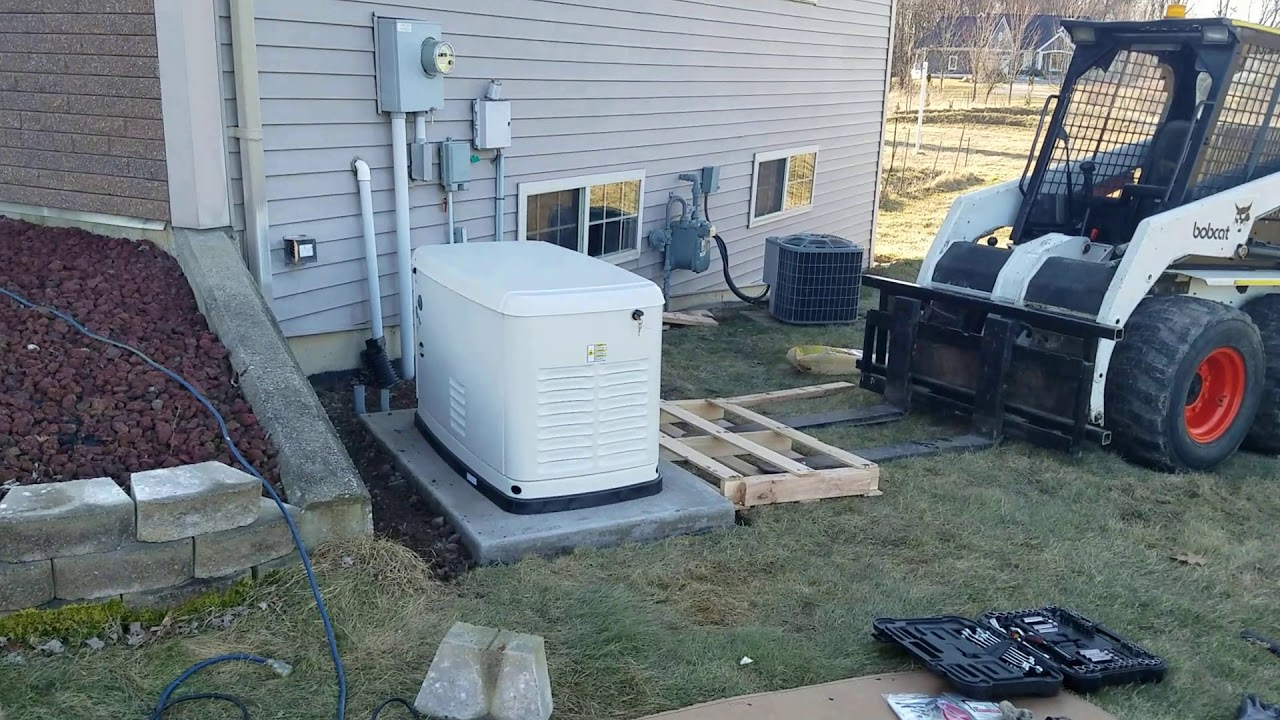
Planning generator installation in Sanford, FL? Learn sizing, transfer switches, fuel options, maintenance, and backup power planning for your property.
Why Backup Power Planning Matters
A power outage can interrupt lighting, refrigeration, internet access, security systems, air conditioning, medical equipment, and normal business operations. Portable generators can help in some situations, but homeowners and businesses that want automatic backup power often consider permanently installed standby systems. The right generator should be selected around actual electrical demand, property layout, fuel availability, transfer equipment, and long-term maintenance rather than simply choosing the largest unit available.
Altech Electric of Central Florida, Inc. provides electrical services for residential, commercial, and industrial properties across Central Florida. Generator planning is most effective when the electrical system, essential loads, installation location, and expected outage needs are reviewed together.
A properly planned system can provide dependable backup power without improvised outage connections or unnecessary overload risk.
Start by Deciding What Needs Backup Power
Before selecting a generator, decide which electrical loads must continue operating during an outage. Some properties only need essential circuits, while others want broader whole-home or whole-building coverage.
Common priority loads may include:
- Refrigerators and freezers
- Selected lighting circuits
- Internet and communication equipment
- Security systems
- Well or sump pumps
- Garage doors
- Air conditioning or heating equipment
- Medical or accessibility equipment
- Office computers
- Essential commercial equipment
The number and type of loads directly affect generator size. Large motors, compressors, pumps, and HVAC equipment can require more power during startup than during normal operation.
A professional load assessment helps determine the appropriate coverage.
How Professional Generator Installation Works
Professional generator installation services usually begin with an assessment of electrical demand, service equipment, fuel options, generator location, and transfer requirements.
The process may include reviewing the main electrical panel, identifying essential circuits, calculating expected loads, choosing a generator size, planning the transfer switch, preparing the installation location, coordinating fuel connections, completing electrical wiring, and testing the system after installation.
Permanent generator work requires careful coordination with the electrical system and available fuel supply.
The goal is not only to make the generator start. The system should transfer power correctly, support intended loads, shut down safely, and return the property to utility power when normal service is restored.
Why Generator Sizing Is So Important
An undersized generator may struggle when several important loads operate together. An unnecessarily oversized system can increase equipment and installation costs without providing meaningful additional value.
Generator sizing should consider both running wattage and startup demand. Air conditioners, pumps, refrigerators, and other motor-driven equipment may draw higher current when they start.
A load calculation can help identify realistic demand rather than adding the nameplate rating of every device in the building. Many loads will not operate at full capacity simultaneously, but critical equipment still needs sufficient power when it cycles on.
Future major electrical loads should also be discussed during planning.
Standby Generator Installation and Automatic Transfer
One advantage of a permanently installed standby generator is automatic operation. When utility power fails, compatible equipment can detect the outage, start the generator, and transfer selected electrical loads to backup power.
A transfer switch is a critical part of this process. It separates generator power from the utility source so electricity is not sent back onto utility lines.
The switch also helps manage how the building changes between normal and backup power.
For homeowners considering standby generator installation in Sanford, FL, the planning stage should include generator capacity, transfer equipment, electrical-panel compatibility, and which circuits need power first during an outage.
Automatic transfer is valuable when equipment must continue operating without manual setup.
Whole House Generator Installation vs. Essential Circuits
A whole house generator installation is designed to support a broader portion of the home’s electrical system, while an essential-circuit setup focuses on selected loads.
Whole-home coverage may be appropriate when homeowners want air conditioning, kitchen appliances, lighting, communications, pumps, and other major household systems available during an outage.
Essential-circuit backup can be a practical option when the priority is keeping refrigeration, basic lighting, security, internet equipment, and a limited number of other circuits operating.
The right approach depends on electrical demand, household priorities, fuel availability, and expected outage needs.
A load review can help homeowners prioritize instead of paying for capacity they may not need.
Choosing a Safe Generator Location
Generator placement affects safety, performance, maintenance access, and noise.
A permanent generator needs an outdoor location that follows the manufacturer’s clearance requirements and applicable installation rules. Exhaust should not be directed toward doors, windows, vents, or occupied areas.
The site should provide clear access for inspection and maintenance.
Drainage matters as well. The generator should not sit in a location where water regularly pools or where runoff can undermine the installation base.
Because clearance and placement requirements vary by equipment and property, the final location should be determined during professional planning rather than chosen only for appearance.
Fuel Supply Is Part of the Installation Plan
Standby generators commonly use natural gas or propane, depending on the equipment and available fuel supply.
The generator’s fuel requirements should be coordinated with expected electrical load. A system that cannot receive adequate fuel may not perform as intended when demand increases.
Propane systems require suitable storage capacity and fuel planning. Natural gas installations depend on the property’s available service and piping conditions.
Fuel work should be completed by appropriately qualified professionals and coordinated with the electrical installation.
Homeowners should also understand how their chosen fuel source supports extended outages.
Backup Generator Installation for HVAC Loads
Air conditioning can represent a significant electrical load, especially during warm weather. Homeowners who want HVAC equipment operating during outages should discuss it early because compressor startup demand can influence generator sizing.
Some systems may use load-management controls to prioritize or temporarily delay selected equipment when several large loads request power simultaneously.
The objective is to maintain useful backup coverage without placing unnecessary stress on the generator.
If air conditioning is not included, homeowners should know which comfort systems will remain unavailable.
Electrical Panel and Transfer Equipment Considerations
The existing electrical panel needs to work appropriately with the planned generator system.
An electrician may review panel capacity, breaker configuration, service equipment, grounding and bonding conditions, and the location where transfer equipment can be installed.
Older electrical systems or crowded panels may require additional evaluation before generator connections are made.
Panel recommendations should follow the system’s actual condition and configuration.
Generator installation is also a useful time to clearly label circuits so homeowners understand which loads are backed up and which remain dependent on utility power.
Emergency Generator Services and Preparedness
Even a well-installed generator should be part of a broader outage plan. Property owners should know how the system normally starts, what indicator lights or messages mean, and who to contact if the generator does not operate correctly.
For businesses, emergency generator services may become especially important when refrigeration, security, communication, or operational equipment depends on backup power.
If the generator displays a fault, repeatedly shuts down, or operates abnormally, seek professional evaluation instead of bypassing protective controls.
Keep the area around the generator accessible so service technicians can reach it when needed.
Maintenance Helps Keep Backup Power Ready
Standby generators may remain unused for long periods between outages, which makes routine maintenance important. A system that worked during the last outage should not be assumed to remain ready indefinitely without inspection.
Maintenance may include checking oil, filters, batteries, electrical connections, fuel components, exercise cycles, and system alerts according to manufacturer recommendations.
Keep vegetation, storage, and debris away from the unit.
If the generator performs automatic exercise cycles, pay attention to changes in sound, startup behavior, or warning indicators. These observations can help identify developing problems before the next utility outage.
Backup Generator Installation in Apopka, FL
Homeowners considering backup generator installation in Apopka, FL should plan the project around the home’s actual electrical priorities rather than treating backup power as a one-size-fits-all purchase.
Think about which circuits are essential, whether air conditioning should operate, what fuel source is available, where the generator can be located, and how long backup power may realistically be needed.
An assessment can identify whether service equipment needs changes before connection.
Planning these details before purchasing equipment helps align generator capacity, transfer equipment, and installation scope with the property’s actual needs.
Questions to Ask Before Installing a Generator
Before approving an installation, ask clear questions about how the system will operate.
Useful questions include:
- Which loads will the generator support?
- How was generator size calculated?
- Is the system whole-home or selected-circuit?
- What transfer switch will be used?
- Where will the generator be installed?
- Which fuel source is recommended?
- Will HVAC equipment be backed up?
- What maintenance schedule is required?
- How does automatic exercise work?
- What happens if the generator develops a fault?
- Can additional loads be added later?
- What testing is completed after installation?
These questions help property owners compare complete installation plans.
After installation, the electrician should test generator startup, transfer operation, selected circuits, and return to utility power. Property owners should also learn how to read basic status indicators and where normal controls are located. This final walkthrough helps confirm what the system will power and what to expect during an outage. Keeping installation documents, model information, and service records together can also make future maintenance and troubleshooting more organized for every property owner.
When Should You Consider a Standby Generator?
A standby system may be worth evaluating when outages repeatedly disrupt essential household or business functions.
It can be particularly useful for properties that depend on refrigeration, medical equipment, pumps, security systems, communications, home offices, or climate-control equipment.
Businesses may consider backup power when outages affect critical operations.
Generator installation should be planned before an emergency whenever possible. Choosing equipment, arranging fuel connections, modifying electrical systems, and testing operation are easier when the property is not already experiencing an outage.
Conclusion
A dependable generator system begins with careful planning. Generator size, electrical demand, transfer equipment, fuel supply, installation location, HVAC loads, service-panel conditions, and maintenance all influence how effectively backup power performs.
Homeowners should decide which electrical loads matter most before choosing equipment. Some properties benefit from essential-circuit coverage, while others need broader whole-home backup.
Professional installation helps coordinate the generator with the existing electrical system and ensures transfer equipment is configured for safe operation. After installation, routine maintenance and awareness of system alerts help keep the equipment prepared for the next outage.
The best system is one designed around real electrical needs and maintained for reliable operation.
Frequently Asked Questions
What size standby generator does my home need?
Generator size depends on the electrical loads you want to support, including startup demand from motors, pumps, refrigeration, and HVAC equipment. A professional load assessment can determine appropriate capacity.
What is the difference between standby and portable generators?
A standby generator is permanently installed and can work with automatic transfer equipment. Portable generators require manual setup and must be operated according to strict safety procedures, especially regarding outdoor placement and electrical connections.
Can a standby generator power my air conditioner?
Many standby systems can support compatible air-conditioning equipment when correctly sized and configured. HVAC startup demand should be included during generator planning rather than added after installation.
How does an automatic transfer switch work?
The transfer switch detects or responds to utility-power conditions and allows the building to change between utility and generator power while keeping the two sources appropriately separated.
How often should a standby generator be maintained?
Maintenance frequency depends on the generator manufacturer, operating hours, environment, and equipment specifications. Follow the recommended service schedule and address warning indicators or unusual operation promptly.
When should I schedule standby generator installation?
Consider installation before outages become an urgent problem, especially when your home or business depends on refrigeration, pumps, security, communications, medical equipment, HVAC systems, or other essential electrical loads.