
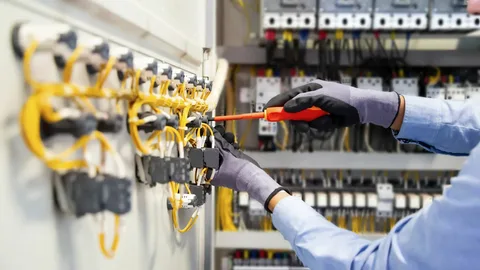
Learn about electrical wiring services in Orlando, FL, including wiring installation, safety checks, common problems, upgrade tips, and maintenance advice.
Electrical wiring affects nearly every part of a modern home. Lights, outlets, appliances, HVAC equipment, and smart devices all depend on a properly designed electrical system. For homeowners in Orlando, Altech Electric of Central Florida, Inc can help address outdated wiring, new construction needs, remodeling projects, and electrical problems that may affect safety or reliability.
Florida homes also place steady demands on electrical systems because of air conditioning, fans, pool equipment, kitchen appliances, and other high-use equipment. Before adding new circuits or replacing old wiring, homeowners should understand the condition of the existing system and determine whether it can safely support current electrical demands.
When Does a Home Need Electrical Wiring Work?
Not every electrical problem requires complete rewiring. Some issues may involve a single circuit, damaged connection, aging outlet, or overloaded panel. However, certain warning signs deserve professional attention.
Homeowners should consider an electrical inspection when they notice:
- Flickering or frequently dimming lights
- Warm or discolored outlets
- Burning smells near electrical components
- Frequently tripped breakers
- Buzzing or crackling sounds
- Loose outlets or switches
- Extension cords used as permanent wiring
- Older wiring with visible deterioration
- Insufficient outlets for household needs
These problems can have different causes. A professional electrician can identify the source rather than relying on temporary fixes.
Electrical Wiring Installation for Orlando Homes
New construction, room additions, kitchen renovations, and major remodeling projects may require new circuits or wiring. Electrical wiring services in Orlando, FL should account for the property’s current needs as well as future electrical demand.
For example, a remodeled kitchen may require dedicated circuits for appliances such as refrigerators, ovens, dishwashers, and microwaves. A home office may need additional outlets and data connections. Outdoor improvements may require properly protected electrical circuits for lighting, equipment, or other fixtures.
Good planning considers:
- Electrical load
- Circuit requirements
- Outlet locations
- Lighting placement
- Appliance specifications
- Panel capacity
- Indoor and outdoor wiring
- Required safety devices
- Applicable electrical codes
Planning these details before construction begins can reduce the need for costly changes later.
How Electrical Wiring Services Support Home Upgrades
During a renovation, electrical wiring services can address more than visible outlets and switches. An electrician may need to evaluate circuits behind walls, determine whether existing wiring can handle new equipment, or add dedicated circuits for higher-demand appliances.
This matters in Orlando homes where air conditioning and other equipment can consume substantial electrical power. Adding new loads without checking system capacity can create unnecessary stress on the electrical system.
Common Types of Residential Wiring Work
Electrical wiring projects vary based on the property’s age, layout, and electrical requirements.
New Circuit Installation
A new circuit may be necessary when an existing circuit cannot safely support an additional appliance or electrical load.
Rewiring Older Homes
Older properties may contain wiring systems that no longer meet modern household needs. Rewiring can replace deteriorated or outdated components and provide additional circuits where needed.
Outlet and Switch Wiring
Loose, damaged, poorly positioned, or insufficient outlets can make everyday electrical use inconvenient. New wiring can improve outlet placement during remodeling or room updates.
Lighting Wiring
Installing recessed lights, ceiling fixtures, exterior lighting, or other systems may require new wiring and switching arrangements.
Outdoor Electrical Wiring
Outdoor equipment and lighting need appropriate wiring methods and protection against moisture and environmental exposure.
Electrical Safety Considerations
Electrical work carries risks that homeowners should not underestimate. Incorrect connections, overloaded circuits, damaged insulation, and improperly installed components can create shock or fire hazards.
Never attempt to repair exposed wiring while the circuit remains energized. If you see damaged wires, smoke, sparks, or signs of overheating, stop using the affected equipment and seek professional assistance.
Safety devices also play an important role. Depending on the location and electrical system, homes may need protection such as GFCI or AFCI devices. These systems can help reduce the risk associated with ground faults and certain electrical hazards.
Finding Electrical Wiring Near Me
Searching for electrical wiring near me in Sanford, FL can help homeowners find local electricians, but proximity should not be the only consideration.
Before choosing a contractor, look at relevant experience, licensing, insurance, written estimates, and the type of electrical work they regularly perform.
Ask questions such as:
- What does the estimate include?
- Will new circuits be required?
- Does the existing panel have enough capacity?
- Are permits required for the project?
- How will unexpected wiring problems be handled?
- What work will require access behind walls or ceilings?
- What documentation will be provided after completion?
Clear answers can help homeowners understand the project before work begins.
Common Electrical Wiring Mistakes
Overloading Circuits
Plugging too many high-demand devices into one circuit can cause repeated breaker trips and overheating.
Using Extension Cords as Permanent Wiring
Extension cords work for temporary use but should not replace properly installed household wiring.
Ignoring Warning Signs
Flickering lights, burning odors, buzzing, and warm outlets should not be treated as normal.
Adding Equipment Without Checking Capacity
Large appliances and electrical equipment can require dedicated circuits. Confirm system capacity before installation.
Covering Electrical Problems During Remodeling
Painting, drywall, or cabinetry can hide an existing issue. Electrical concerns should be addressed before finishing work covers access points.
Best Practices for Electrical Wiring
A few practical habits can help homeowners maintain a safer and more reliable electrical system.
- Avoid overloading individual circuits.
- Replace damaged cords and outlets promptly.
- Keep electrical equipment away from water.
- Label important electrical circuits.
- Know where the main electrical panel is located.
- Schedule inspections when buying an older home.
- Use qualified professionals for wiring changes.
- Keep records of major electrical upgrades.
- Confirm permits and inspections when required.
- Plan electrical needs before major remodeling.
Regular attention can also help identify small problems before they become larger repair projects.
Actionable Tips Before an Electrical Project
Before starting electrical work, make a list of everything the space needs. Include lighting, outlets, appliances, switches, ceiling fans, exterior fixtures, and future equipment.
For remodeling projects, provide appliance specifications and cabinet layouts early. This allows electrical locations to match the final design instead of forcing changes later.
It is also useful to photograph existing electrical components before walls are closed during renovation. Keep permits, inspection records, invoices, and product information with your home maintenance documents.
Conclusion
Reliable wiring supports the safety and everyday function of a home. Electrical wiring installation can help Orlando homeowners handle new circuits, remodeling projects, rewiring, lighting upgrades, and other electrical needs while accounting for the property’s existing system. By planning electrical requirements early, watching for warning signs, avoiding overloaded circuits, and using qualified professionals for wiring work, homeowners can make informed decisions and maintain a dependable electrical system.
FAQ
How do I know if my home needs rewiring?
Frequent breaker trips, flickering lights, damaged insulation, burning smells, buzzing sounds, or outdated wiring can indicate a need for further evaluation. An electrical inspection can help determine the appropriate solution.
Does a remodeling project require new electrical wiring?
Not always. However, renovations often create new electrical demands or change the locations of appliances, outlets, and lighting. A professional can determine whether existing circuits can support the updated design.
Can I install additional outlets myself?
Electrical work can involve shock and fire hazards, and local requirements may apply. For permanent wiring changes, homeowners should use a qualified electrician who understands applicable electrical codes.
How often should residential electrical wiring be inspected?
There is no single schedule that applies to every home. Older properties, homes undergoing renovations, and houses experiencing electrical warning signs may benefit from an inspection.
What should I do if an outlet feels hot?
Stop using the outlet and avoid covering or continuing to operate it. A hot outlet can indicate an electrical problem that requires professional evaluation.