
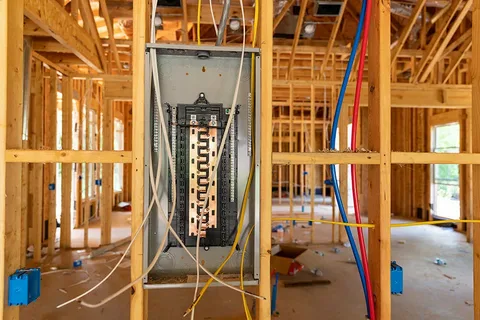
Electrical wiring supports nearly every part of a home, from lighting and outlets to appliances, HVAC equipment, and modern electronics. Altech Electric of Central Florida, Inc approaches wiring projects by considering the condition of the existing system, power demands, room layout, and how the property will be used. Homeowners searching for electrical wiring near me in Sanford, FL should look beyond visible outlets and switches because much of the electrical system remains hidden behind walls and ceilings.
In Apopka, FL, homeowners planning electrical wiring installation may need new circuits, upgraded outlets, additional lighting, or wiring for remodeled rooms and new equipment. The right approach depends on the age of the property, panel capacity, existing wiring, and expected electrical load.
A safe wiring plan should support both current needs and reasonable future use.
What Electrical Wiring Near Me Should Include
When comparing electrical wiring near me in Sanford, FL, homeowners should first identify the purpose of the project.
Some jobs involve adding one or two new circuits. Others may require wiring an addition, replacing older wiring, or updating multiple rooms during a renovation.
A wiring assessment may consider:
- Existing circuit capacity
- Electrical panel condition
- Number and location of outlets
- Lighting requirements
- Appliance power demands
- Grounding and bonding
- Wiring age and condition
- Future equipment needs
- Room layout
- Local electrical requirements
These details help determine whether the project needs a small update or a broader electrical plan.
How Electrical Wiring Near Me Affects Daily Use
Electrical wiring influences how safely and conveniently a home functions.
Too few outlets can lead to heavy reliance on extension cords or power strips. Poor circuit planning can place too many devices on one circuit. Older wiring may also struggle to support newer appliances and equipment.
Good planning matches the wiring system to how each room is actually used.
Electrical Wiring Installation in Apopka, FL
An electrical wiring installation in Apopka, FL should begin with the intended use of the space.
A kitchen may require dedicated circuits for major appliances. A home office may need several outlets for computers, monitors, printers, and networking equipment. A garage or workshop may need circuits designed for tools or other equipment.
Bedrooms, bathrooms, laundry rooms, outdoor areas, and additions can also have different electrical needs.
Planning these requirements before walls close helps reduce the need for changes later.
New Wiring vs. Existing Wiring Upgrades
Different projects may require different levels of electrical work.
| Wiring Project | Typical Purpose | Main Consideration |
| New Circuit | Support added equipment | Panel capacity |
| Outlet Addition | Improve access to power | Circuit load |
| Lighting Wiring | Add or relocate fixtures | Switch placement |
| Rewiring | Replace aging or damaged wiring | Existing conditions |
| Remodel Wiring | Support new room layout | Future electrical use |
The correct approach depends on what already exists and what the homeowner wants the finished space to support.
Signs Existing Wiring May Need Attention
Electrical problems do not always begin with a complete power failure.
Some warning signs develop gradually.
Homeowners should pay attention to:
- Frequently tripped breakers
- Flickering lights
- Outlets that feel warm
- Loose plugs
- Buzzing switches or outlets
- Burning odors
- Discolored wall plates
- Circuits that lose power under normal use
- Older two-prong outlets
- Repeated electrical issues in one area
These symptoms do not all point to the same problem, but they deserve proper evaluation.
Home Electrical Wiring Experts and Circuit Planning
Home electrical wiring experts should consider more than the number of outlets a homeowner wants.
Circuit planning affects how electrical loads are distributed throughout the home. Larger appliances often need dedicated circuits, while lighting and general-purpose outlets may follow a different layout.
Future use also matters.
A room that currently serves as a guest bedroom may later become an office. A garage may eventually support additional tools, refrigeration, or charging equipment. Planning for reasonable future needs can make the electrical system more practical over time.
Common Wiring Mistakes Homeowners Should Avoid
One common mistake is adding electrical loads without considering the existing circuit or panel.
Another is placing outlets based only on minimum convenience rather than furniture, appliances, or equipment locations.
Homeowners should also avoid covering electrical problems during remodeling. Damaged wiring, loose connections, or outdated components should receive attention before new walls and finishes hide them.
Extension cords should not become permanent substitutes for proper outlets.
Another mistake involves assuming every room has the same power needs. Kitchens, bathrooms, garages, offices, and outdoor spaces can place very different demands on a wiring system.
Planning Wiring During a Remodel
Remodeling provides an opportunity to improve electrical access before walls are finished.
Homeowners should review how they plan to use each space.
Useful planning questions include:
- Where will major appliances sit?
- Where will televisions and computers go?
- Does the room need additional lighting?
- Are there enough outlets near furniture locations?
- Will any equipment need a dedicated circuit?
- Could the space serve a different purpose later?
- Does the electrical panel have room for added circuits?
Answering these questions early can reduce unnecessary changes after construction is complete.
Best Practices for a Practical Wiring Layout
A useful electrical layout should support normal daily routines without requiring excessive adapters or extension cords.
Place outlets where appliances, furniture, electronics, and work areas will actually need them.
Consider lighting controls as part of the wiring plan rather than treating them as a separate detail. Switch placement can affect how convenient a room feels.
Homeowners should also keep access to electrical panels clear and avoid blocking important electrical components with permanent construction.
Finally, electrical work should match the actual capacity and condition of the home’s system rather than relying on assumptions based on room size alone.
Conclusion
Searching for home electrical wiring experts should involve more than finding someone to add an outlet or run a new wire. Circuit capacity, panel condition, room layout, power demand, grounding, and future electrical use all affect how well the finished system performs.
For homeowners in Sanford and Apopka, Altech Electric of Central Florida, Inc can approach electrical wiring projects by considering the existing system and the way each space will be used. Careful planning can help create a safer, more practical electrical layout that supports everyday living.
FAQ
What does an electrical wiring project usually include?
It may include new circuits, outlets, switches, lighting connections, appliance wiring, grounding, or replacement of older wiring. The exact scope depends on the property and the planned use of the space.
When should older electrical wiring be evaluated?
Homeowners should consider an evaluation when they notice repeated breaker trips, flickering lights, warm outlets, burning odors, loose connections, or other recurring electrical problems.
Does adding new appliances require new wiring?
Sometimes. Larger appliances may require dedicated circuits or different electrical capacity. The existing panel and circuit layout should be checked before new equipment is installed.
Can electrical wiring be updated during a remodel?
Yes. Remodeling often provides a practical time to add outlets, relocate switches, install lighting circuits, or update existing wiring before walls and finishes are completed.
How should homeowners plan outlet locations?
Consider furniture placement, appliances, televisions, office equipment, charging needs, and how the room may be used in the future. Good outlet placement reduces reliance on extension cords and adapters.