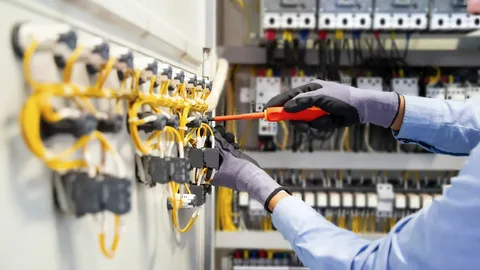
Reliable professional electrical wiring services help homeowners in Orlando, FL, and Apopka, FL, maintain safe and dependable electrical systems. From powering kitchen appliances to supporting lighting, air conditioning, and home office equipment, proper wiring plays a vital role in everyday comfort. However, damaged wires, outdated connections, and overloaded circuits can create electrical hazards and disrupt household routines.
Homes have different electrical requirements depending on their age, layout, and equipment. For example, an older property may need wiring repairs, while a remodeled kitchen might require additional circuits for new appliances. Therefore, homeowners should understand their property’s electrical capacity before making changes.
Altech Electric helps homeowners address electrical needs through professional electrical services. Choosing a qualified electrician allows you to identify wiring concerns, evaluate installation requirements, and determine which repairs or upgrades make sense for your home.
Additionally, Florida’s heat, humidity, and seasonal storms make electrical maintenance an important consideration. Damaged outdoor connections, deteriorated insulation, and faulty equipment deserve prompt attention. By recognizing early warning signs and arranging appropriate professional work, homeowners can reduce avoidable risks and keep their electrical systems operating reliably.
Common Electrical Wiring Problems in Residential Properties
Residential wiring problems can affect individual outlets, lighting circuits, appliances, or the entire electrical system. Understanding the warning signs helps homeowners decide when to request a professional inspection.
Recognizing Wiring Issues Before They Worsen
A properly installed electrical system should distribute power consistently without unusual heat, burning odors, or repeated interruptions. However, aging components and increased electrical demand can create problems over time.
Common warning signs include:
- Flickering lights: Loose connections, failing fixtures, or circuit problems may cause inconsistent lighting.
- Frequent breaker trips: An overloaded circuit or electrical fault may interrupt the power supply.
- Warm outlets: Excessive heat can indicate a loose connection or another hazardous condition.
- Burning smells: Unusual odors near switches, outlets, or panels require immediate attention.
- Damaged insulation: Exposed conductors can increase the risk of electric shock and electrical fires.
Why Professional Inspections Matter
A visible symptom does not always reveal the actual cause. For instance, replacing a light switch will not correct a damaged wire behind the wall. Similarly, repeatedly resetting a breaker may leave an underlying fault unresolved.
A qualified electrician can inspect wiring, test circuits, evaluate grounding, and determine whether the system needs a targeted repair or a larger upgrade. These assessments also help homeowners understand which problems require immediate action.
If you notice smoke, active sparking, or a burning odor, stay away from the affected equipment. Shut off power only if you can do so safely, and contact emergency services when necessary.
Planning Electrical Wiring Installation for Your Home
New appliances, home additions, and renovation projects often require changes to existing wiring. Careful planning helps ensure the electrical system can support these improvements safely.
Choosing the Right Wiring Solution
Reliable electrical wiring services begin with an assessment of the property’s current electrical system and future requirements. An electrician should evaluate circuit capacity, existing wiring, panel condition, and the intended use of each space.
For example, a remodeled kitchen may need dedicated circuits for certain appliances. A garage workshop may require additional outlets, while an electric vehicle charger may need a suitable circuit and sufficient panel capacity.
Before installation, homeowners should consider these practical steps:
- List electrical needs: Identify planned appliances, outlets, lighting fixtures, and equipment.
- Check existing capacity: Determine whether the electrical panel and circuits can handle additional demand.
- Review wiring condition: Identify damaged, deteriorated, or unsuitable components before adding new connections.
- Confirm permit requirements: Ask the relevant local building department which permits and inspections apply.
- Discuss future upgrades: Consider upcoming renovations and equipment that may increase electrical demand.
Understanding Installation Costs and Project Scope
Installation costs depend on the amount of wiring required, accessibility, materials, labor, and permit requirements. Running wires through an unfinished space may differ significantly from installing them inside completed walls.
Therefore, request a written estimate that explains the work, materials, expected timeline, and any additional charges. A professional should also explain whether the project requires panel modifications or repairs to existing wiring.
The lowest estimate may not provide the best overall value if it excludes essential work. Instead, compare the proposed scope, contractor qualifications, and safety measures before making a decision.
Electrical Circuit Troubleshooting and Repairs
Electrical interruptions can be frustrating, especially when they affect essential appliances or frequently used rooms. Accurate troubleshooting identifies the source of a problem instead of relying on temporary fixes.
Finding the Cause of Circuit Problems
Expert electrical circuit troubleshooting involves examining the affected circuit, testing relevant components, and identifying the reason for unusual electrical behavior.
A breaker that trips repeatedly may indicate excessive demand, a short circuit, or another electrical fault. Likewise, outlets that stop working could involve a tripped protective device, loose connections, or damaged wiring.
Homeowners can help an electrician diagnose the issue by providing clear information:
- Identify affected areas: Record which outlets, lights, or appliances lose power.
- Note when problems occur: Explain whether interruptions happen during appliance use or at other times.
- Avoid repeated resets: Do not keep resetting a breaker that trips again.
- Stop using damaged equipment: Discontinue use of outlets that spark, overheat, or show discoloration.
- Arrange professional testing: Have a qualified electrician inspect the circuit and recommend appropriate repairs.
Preventing Repeat Electrical Failures
Replacing a faulty component may solve one problem, but recurring faults require a closer assessment. An electrician should check whether the circuit carries an excessive load or contains damaged connections.
Furthermore, proper repairs should address the underlying cause and follow applicable electrical codes. Depending on the findings, the solution might involve replacing a damaged wire, correcting a connection, installing a suitable circuit, or repairing another component.
Avoid opening electrical panels or handling exposed conductors yourself. Professional testing reduces the risks associated with energized equipment and helps establish a clear repair plan.
Choosing Qualified Electricians in Orlando and Apopka
Selecting an electrician involves more than comparing prices. Homeowners should consider licensing, relevant experience, insurance, communication, and the contractor’s approach to electrical safety.
What to Verify Before Hiring
When searching for qualified electricians in my area, check whether each contractor has the credentials required for the work. Florida licensing requirements vary by contractor classification and project, so verify the applicable qualifications through the appropriate state or local authority.
Use these five checks to compare providers:
- Verify credentials: Confirm the contractor’s license or other required authorization.
- Ask about insurance: Check for appropriate liability coverage and workers’ compensation arrangements.
- Review relevant experience: Look for experience with residential wiring, installations, and electrical fault diagnosis.
- Request a written estimate: Ensure the proposal clearly describes labor, materials, and project scope.
- Clarify inspections: Ask who will obtain required permits and coordinate inspections.
Local Considerations for Central Florida Homes
Properties in Orlando and Apopka vary in age, construction, and electrical demand. Older houses may require closer evaluation of existing wiring, while renovated homes may need additional circuits for modern appliances.
Florida’s humid conditions also make suitable equipment and properly protected electrical connections important. Following severe weather, homeowners should arrange an inspection if they notice unusual electrical behavior or suspect water or storm damage.
Before work begins, discuss the property’s specific needs and ask the electrician to explain the recommended solution. Clear communication helps prevent misunderstandings about costs, safety requirements, and project completion.
Maintaining Safe and Dependable Home Electrical Wiring
Electrical safety continues after installation. Routine observation, sensible appliance use, and timely professional inspections can help homeowners identify developing concerns before they become more serious.
Practical Electrical Maintenance Tips
Dependable home electrical wiring in Apopka, FL relies on sound installation, appropriate circuit protection, and attention to changing household needs.
Homeowners can follow these five practical habits:
- Inspect visible components: Look for cracked outlets, discoloration, loose switches, or damaged cords.
- Avoid overloaded outlets: Use electrical equipment according to its ratings and avoid unsafe adapter arrangements.
- Keep electrical equipment dry: Protect outlets and appliances from moisture and water exposure.
- Test safety devices: Follow manufacturer instructions for testing GFCI outlets and other installed protective devices.
- Schedule assessments when needed: Request an inspection before major renovations or when electrical problems appear.
Knowing When to Upgrade Existing Wiring
Older wiring does not automatically require complete replacement. Its condition, type, installation quality, and ability to meet current needs determine whether repairs or upgrades are appropriate.
For example, adding a high-demand appliance may require a dedicated circuit. A renovation may also reveal damaged wiring that needs correction before construction continues.
Experienced home electrical wiring experts can evaluate the system and explain suitable options. They may recommend targeted repairs, additional circuits, improved grounding, or more extensive rewiring, depending on the findings.
Likewise, professional electrical wiring installation in Orlando, FL, can support planned home improvements when the existing system cannot safely accommodate the new load. Always have a qualified professional assess the situation before making changes.
Conclusion
A safe and dependable electrical system helps homeowners power appliances, maintain comfortable living spaces, and support modern household technology. However, wiring problems can develop gradually, making it essential to recognize warning signs and address them promptly.
Flickering lights, frequently tripping breakers, warm outlets, and damaged wires deserve professional attention. Rather than relying on temporary fixes, homeowners should arrange an assessment that identifies the cause and explains the appropriate repair.
Planning also matters when installing new appliances, remodeling kitchens, finishing garages, or adding electrical equipment. An electrician can evaluate circuit capacity, inspect existing wiring, and determine whether additional circuits or panel upgrades are necessary. Furthermore, homeowners should confirm permit requirements and request written estimates before work begins.
For property owners seeking reliable electrical wiring services in Orlando, FL, and Apopka, FL, selecting a qualified contractor is an important step toward maintaining electrical safety. Verify the contractor’s credentials, discuss the proposed work, and make sure the recommendations address your property’s actual needs.
Altech Electric is an option to consider when researching electrical service providers for residential projects. Before proceeding with any contractor, confirm relevant qualifications and ensure the proposed work meets applicable safety standards.
Ultimately, regular maintenance and appropriate professional repairs can help extend the useful life of electrical components and support reliable power throughout your home. Addressing problems early also helps homeowners plan improvements with greater confidence.
FAQ’s
What are the signs that my home needs electrical wiring repairs?
Common signs include flickering lights, frequently tripping breakers, warm outlets, burning odors, and visible wire damage. A qualified electrician can determine the cause and recommend suitable repairs.
When should I consider rewiring an older home?
Consider an electrical assessment if your home has outdated wiring, recurring electrical problems, damaged insulation, or insufficient capacity for modern appliances. An electrician can determine whether partial or complete rewiring is appropriate.
Can I add new outlets without replacing existing wiring?
Sometimes. An electrician must evaluate circuit capacity, wiring condition, grounding, and applicable code requirements before determining whether additional outlets can be installed safely.
Do electrical wiring projects require permits in Orlando or Apopka?
Permit requirements depend on the type and scope of work. Check with the relevant local building department or ask your contractor to confirm the requirements before work begins.
What should I do if my circuit breaker keeps tripping?
Stop using equipment on the affected circuit if you suspect a fault, and avoid repeatedly resetting the breaker. Contact a qualified electrician to identify the cause and recommend a safe solution.