If you’ve recently purchased an electric vehicle or you’re planning to one of the first questions on your mind is probably where and how you’ll charge it every day. For homeowners across Osceola County, installing a dedicated home EV charger is not just a convenience; it’s quickly becoming a necessity. Companies like Altech Electric of Central Florida, Inc have been helping local residents navigate the installation process safely, compliantly, and efficiently, making the transition to electric vehicle ownership far smoother. Whether you live in Kissimmee, St. Cloud, Celebration, or Poinciana, this guide walks you through everything you need to know about home EV charger installation in Osceola County from charger types and costs to permits, timelines, and best practices.
Why Osceola County Homeowners Are Installing EV Chargers
The Rise of Electric Vehicles in Central Florida
Electric vehicle adoption is accelerating rapidly across Florida. According to the Florida Department of Highway Safety and Motor Vehicles, EV registrations in the state have grown dramatically year over year, with Central Florida — including Osceola County — representing one of the fastest-growing markets in the region. With more automakers releasing all-electric models across every price range, EVs are no longer a niche product. They’re mainstream transportation.
For Osceola County residents, this growth comes with a practical challenge: the public charging infrastructure, while improving, still cannot match the convenience of waking up every morning to a fully charged vehicle at home.
Benefits of Charging at Home vs. Public Charging Stations
Charging at home with a dedicated EV charger offers several advantages over relying on public stations:
- Convenience: Your car charges overnight while you sleep, ready to go each morning.
- Cost savings: Residential electricity rates in Florida are typically far cheaper per mile than gasoline or even public fast-charging fees.
- Faster charging speeds: A properly installed Level 2 home charger can fully replenish most EV batteries in 4–8 hours, compared to 24+ hours on a standard outlet.
- Increased home value: Studies have shown that EV charging infrastructure adds measurable value to residential properties.
- Reduced wear on the battery: Frequent DC fast charging can degrade EV batteries over time; home Level 2 charging is gentler and extends battery life.
Types of Home EV Chargers Explained
Not all EV chargers are created equal. Understanding the differences between charging levels is essential before you commit to an installation.
Level 1 Chargers — Basic but Slow
Level 1 charging uses a standard 120-volt household outlet — the same one you’d use for a lamp or phone charger. While it requires no special installation, the charging speed is extremely slow, typically adding only 3–5 miles of range per hour. For most EV owners who drive more than 30–40 miles per day, Level 1 charging is simply not practical as a primary solution.
Level 2 Chargers — The Gold Standard for Home Use
Level 2 chargers operate on a 240-volt circuit, the same type used by large appliances like electric dryers and ovens. They deliver between 10 and 30 miles of range per hour of charging, depending on the charger’s amperage and the vehicle’s onboard charger capacity. Most EV owners who install a home charging station choose Level 2, and this is the type that requires professional installation by a licensed electrician.
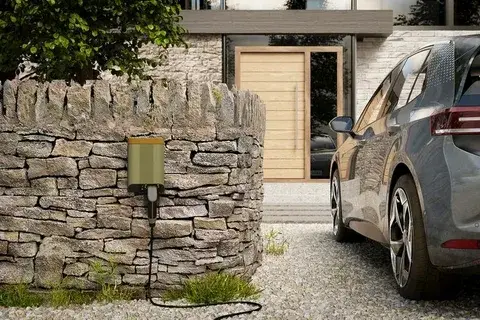
For Osceola County homeowners, a typical Level 2 installation involves running a dedicated 240-volt circuit from the electrical panel to the garage or parking area, mounting the EVSE (Electric Vehicle Supply Equipment) unit, and ensuring the entire setup meets Florida building codes.
DC Fast Chargers — Are They Right for Residential Use?
DC fast chargers (also called Level 3 chargers) are primarily designed for commercial and public charging stations. They require three-phase power and significant electrical infrastructure that most homes simply don’t have. For the vast majority of residential EV owners in Osceola County, Level 2 is the right and recommended choice.
The Home EV Charger Installation Process in Osceola County
Installing a home EV charger isn’t a simple plug-and-play task. It involves a series of professional steps to ensure safety, code compliance, and long-term reliability.
Step 1 — Evaluating Your Electrical Panel
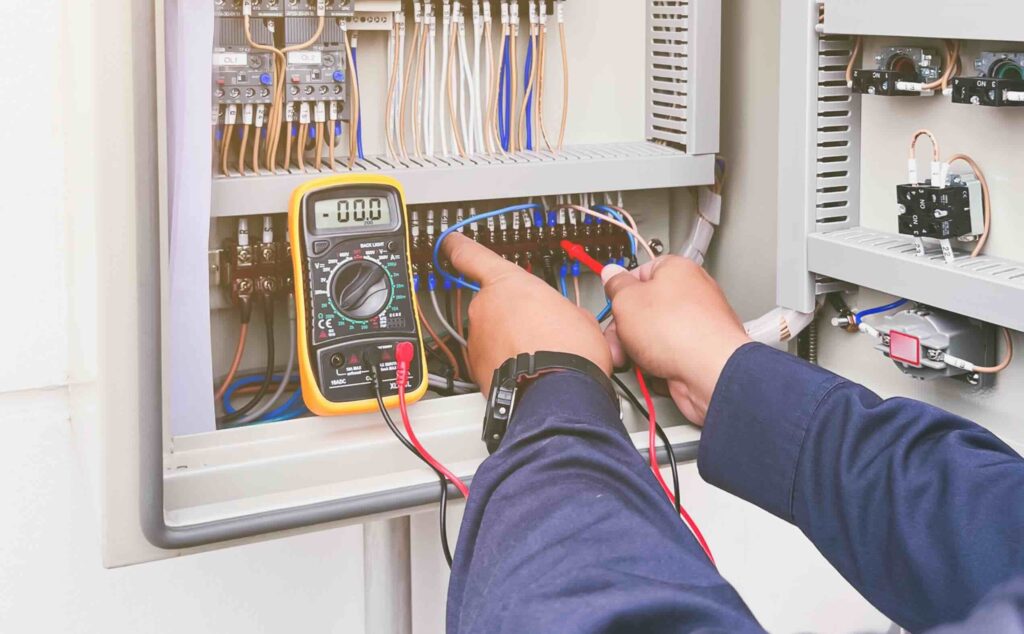
The process begins with a thorough assessment of your home’s electrical panel. Most modern homes have 200-amp service, which is generally sufficient to support a Level 2 EV charger. However, older homes — particularly those built before the 1990s — may have 100-amp panels or outdated wiring that requires an upgrade before a charger can be safely installed.
A qualified electrician from a company like Altech Electric of Central Florida, Inc will inspect your panel, assess available capacity, and recommend any necessary upgrades before proceeding.
Step 2 — Choosing the Right Charger and Location
Once your electrical system is assessed, you’ll select the EV charger installation in Osceola County unit itself and determine the best mounting location. Most homeowners install chargers in the garage, but exterior wall mounts with weatherproof enclosures are also common for carports or driveways. Key considerations include the length of the charging cable relative to your vehicle’s charging port location, accessibility, and whether you want smart charger features like Wi-Fi connectivity, energy usage monitoring, or scheduled charging.
Step 3 — Pulling the Required Permits
In Osceola County, a permit is required for EV charger installation. This is not a bureaucratic formality — it’s a critical step that protects your safety, ensures the work meets Florida Building Code requirements, and protects your homeowner’s insurance coverage. A licensed electrical contractor handles the permit application process on your behalf, submitting plans and specifications to the Osceola County Building Department.
Step 4 — Professional Installation by a Licensed Electrician
The actual installation involves running a new dedicated 240-volt circuit from your electrical panel, installing the appropriate gauge wiring (typically 6-gauge wire for a 50-amp circuit), mounting the EVSE unit, and connecting all components safely. This work must be performed by a state-licensed electrician. Attempting a DIY installation not only voids the permit but can create serious fire and safety hazards.
Step 5 — Inspection and Final Sign-Off
After installation, Osceola County will send an inspector to verify the work meets code. Once the inspection passes, your charger is officially cleared for use. This step is often overlooked when homeowners hire unlicensed workers, leaving them with an illegal installation that could affect their insurance and resale value.
How Much Does Home EV Charger Installation Cost in Osceola County?
Cost is one of the most common questions homeowners ask, and the honest answer is: it depends on several variables.
Equipment Costs
EV charger units (EVSE) range from approximately $300 for a basic hardwired Level 2 unit to $900 or more for premium smart chargers with Wi-Fi, load management, and scheduling features. Brands like ChargePoint, JuiceBox, Emporia, and Wallbox are popular choices among Florida homeowners.
Labor and Installation Costs
Professional installation in the Osceola County area typically runs between $400 and $1,200, depending on the complexity of the job. A straightforward installation where the panel is close to the garage and no upgrades are needed will be on the lower end. Longer conduit runs, attic work, or exterior installations will increase labor time and cost.
Electrical Panel Upgrade Costs
If your home needs a panel upgrade from 100-amp to 200-amp service, expect to add $1,500–$3,500 to the overall project cost. While this is a significant additional expense, it also benefits your home’s overall electrical capacity and is often recouped in home resale value.
Available Rebates and Tax Incentives in Florida
EV charger installation may qualify for the federal Alternative Fuel Vehicle Refueling Property Credit (Form 8911), which can offset up to 30% of installation costs, capped at $1,000 for residential installations. Additionally, some Florida utilities offer rebates or off-peak charging incentives. Check with Duke Energy Florida, OUC, or your specific utility provider for current programs in Osceola County.
Permit Requirements for EV Charger Installation in Osceola County
Why Permits Are Required
Florida Statute 489 and the Florida Building Code require permits for new electrical circuits, including those installed for EV chargers. The Osceola County Building Department enforces these requirements to protect homeowners and maintain safety standards.
How to Obtain a Permit
Your licensed electrical contractor files the permit application with the Osceola County Building Department, typically including a wiring diagram and load calculation. Permit fees are generally modest — often $50–$150 — and the timeline from application to approval is usually a few business days for straightforward residential projects.
Common Challenges and How to Avoid Them
Outdated Electrical Panels
Many homes in Kissimmee and the older parts of Osceola County still have 60-amp or 100-amp service panels. These cannot safely support a Level 2 EV charger without a panel upgrade. A professional assessment before purchasing your charger unit can save you from costly surprises.
Garage Wiring Limitations
Garages in some Florida homes were wired minimally just enough for lighting and a few outlets. Running a new 240-volt dedicated circuit to the garage may require drilling through walls, running conduit, or routing wire through attic spaces. An experienced electrician plans this carefully to minimize disruption and cost.
Choosing an Unqualified Installer
The internet is full of handymen and unlicensed contractors offering cheap home EV charger installations. In Florida, only state-licensed electricians (EC license) are legally permitted to perform this work. Hiring an unqualified installer exposes you to safety risks, failed inspections, voided warranties, and potential insurance issues.
How to Choose the Right EV Charger for Your Home
Amperage and Charging Speed
The higher the amperage, the faster your charger will deliver power. A 32-amp charger on a 40-amp circuit is the most common residential setup, offering roughly 25 miles of range per hour. A 48-amp charger on a 60-amp circuit is the fastest practical option for most homes, delivering up to 37 miles per hour. Your vehicle’s onboard charger is ultimately the limiting factor check your owner’s manual for the maximum AC charging rate your car can accept.
Smart Charger Features to Look For
Modern smart EV chargers offer features that go well beyond simply delivering power:
- Wi-Fi and app connectivity for remote monitoring and control
- Scheduled charging to take advantage of off-peak electricity rates
- Energy usage tracking to monitor your charging costs
- Load management to prevent overloading your home’s electrical system
- Voice assistant integration with Amazon Alexa or Google Home
Compatibility With Your Vehicle
Most Level 2 chargers use the SAE J1772 connector, which is compatible with virtually all non-Tesla EVs sold in North America. Tesla vehicles use a proprietary connector but include a J1772 adapter. If you drive a Tesla and want to use Tesla’s Wall Connector, that can also be professionally installed by a licensed electrician.
Conclusion
Installing a home EV charger in Osceola County is one of the smartest investments an electric vehicle owner can make and getting it done right from the start saves money, time, and headaches down the road. From selecting the right Level 2 charger and understanding your electrical panel’s capacity to navigating permits and taking advantage of available tax incentives, there’s a lot to consider. Working with an experienced, local, licensed electrical contractor makes all the difference.Altech Electric of Central Florida, Inc brings deep expertise in residential EV charger installation across Osceola County and the broader Central Florida region. Their team handles everything from the initial assessment and permit filing through the final inspection, ensuring your installation is safe, code-compliant, and built to last. If you’re ready to stop relying on public charging stations and enjoy the convenience of waking up to a full charge every morning, reach out to Altech Electric of Central Florida, Inc to schedule your home EV charger consultation today.
Yes. Osceola County requires a permit for any new electrical circuit installation, including dedicated EV charging circuits. Your licensed electrician handles the permit process on your behalf.
For a straightforward Level 2 installation with no panel upgrade needed, the work itself typically takes 2–4 hours. If a panel upgrade is required, the project may take a full day or span two visits.
In Florida, electrical work of this nature must be performed by a state-licensed electrician. DIY installation without a permit is illegal and creates serious safety and insurance risks
Level 1 uses a standard 120-volt outlet and adds 3–5 miles of range per hour. Level 2 uses a 240-volt dedicated circuit and adds 10–30+ miles per hour. Level 2 is strongly recommended for daily use.
Charging an EV at home costs significantly less per mile than gasoline. However, your electric bill will increase. The impact depends on how many miles you drive and your local electricity rate. Many utility customers in Central Florida use scheduled charging during off-peak hours to minimize costs.
A licensed electrician will perform a load calculation on your panel. Most 200-amp panels can accommodate a Level 2 charger without upgrades. Older 100-amp panels often require an upgrade.