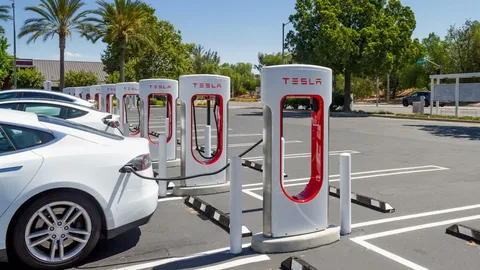
Tesla ownership in Flagler County has grown faster than most local electricians expected. Drive through Palm Coast, Bunnell, Flagler Beach, or the Hammock, and you’ll spot Model Ys parked under carports and Model 3s in driveways from Belle Terre to Marineland Acres. Most of these owners eventually want one thing: a Wall Connector at home so they stop relying on the Supercharger off I-95. That’s where dependable Tesla charger installation services in Flagler County make the difference, and where the team at Altech Electric of Central Florida, Inc has helped plenty of local owners get their setup running cleanly.
So what does a proper Tesla install really involve? More than mounting the unit and flipping a breaker. A safe job means checking your panel capacity, sizing the circuit for your specific amperage choice, pulling the right permit through the county, and pairing the Wall Connector to your home Wi-Fi for over-the-air updates. Across this guide, we’ll cover your charger options, the install steps in plain order, what shapes your final bill, and how to pick an electrician who actually knows Tesla equipment. Ready to see how the pieces fit?
Why Flagler County Tesla owners are charging at home
The charging behaviour across a coastal county has changed fast. During weekends and snowbird season, the public Supercharger stalls near Palm Coast Parkway can fill up, and wait times can go past 30 minutes, or longer during holidays. Charging at home eliminates that hassle completely. Simply plug it in at night, wake up at 80%, and leave without worrying.
Savings on costs compel the decision too. As per the U.S. According to the Department of Energy (2024), the cost of charging an electric vehicle at home is about one-third the cost of charging at a public DC Fast Charging station. Over the course of a year of average driving between Palm Coast and St. Augustine or Daytona Beach, that difference equals actual money in your pocket. In Flagler County, reliable installation of Tesla chargers can make that potential cost-saving a daily affair.
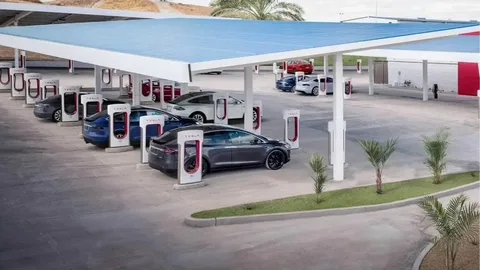
Now, we focus on resale. Properties with a Wall Connector already installed now show up as a search filter on Florida MLS listings, which is relevant when plenty of EV-curious buyers from northern states are around. This upgrade has two main benefits: direct and indirect boosting.
Tesla Charging Options And What Works For Your Driveway.
Many people do not realize the charging options available for Tesla owners at their homes. The choice of the right charger will depend on your daily driving distance, your vehicle’s on-board charger capacity, and the spare capacity on your electrical panel to install a high-amperage circuit. Good level 2 EV charger installation services in Flagler County start with that match-up before any equipment gets ordered.
The Tesla Mobile Connector is shipped with most newer Teslas. It plugs into a NEMA 14-50 outlet and adds roughly 30 miles of range in an hour at 32 amps. The Tesla Wall Connector is installed in a dedicated 60-amp circuit that can deliver 48 amps of continuous charging and add 40 to 44 miles per hour to a Model 3 or Model Y. Multiple Wall Connectors can power-share on a single circuit in homes with two Teslas, simplifying the wiring process.
Different versions matter also. The latest Tesla Universal Wall Connector features both NACS and J1772 connectors in a single device, allowing it to charge any EV brand. A licensed master electrician who works throughout northeast Florida notes that Universal is the default request for homes expecting to have mixed-branded EVs in five years.
| Charging Option | Amperage | Speed Added Per Hour | Best Fit |
| Mobile Connector + NEMA 14-50 | 32 amps | 25–30 miles | Single Tesla, short commutes |
| Tesla Wall Connector (Hardwired) | 48 amps | 40–44 miles | Daily drivers, long commutes |
| Universal Wall Connector | 48 amps | 40–44 miles | Mixed-brand EV households |
| Dual Wall Connectors (Power-Shared) | 48 amps shared | 20–22 miles each | Two-Tesla households |
How the install actually plays out on site
A clean Tesla install follows a fixed sequence, and any electrician who shortcuts the order is asking for trouble down the line. Expert Tesla charger installation services in Flagler County run every step methodically. So what does install day actually look like from your kitchen window?
Site survey and panel evaluation
The first move is a full panel inspection and load calculation. Older Palm Coast homes built in the 1980s sometimes still run on 100-amp service, which struggles to add a 60-amp charger circuit alongside the air conditioning, pool pump, and water heater. Newer construction in Grand Haven or Plantation Bay usually has 200-amp service with room to spare.
Your electrician measures the conduit run from the panel to the proposed Wall Connector location, checks for attic access, and notes whether the wall behind the install spot is finished drywall, exterior stucco, or block. Each surface type affects the install method and finish work.
Permit, install, and Wi-Fi commissioning
After the survey, your contractor pulls a permit through Flagler County Building Services under the 2023 Florida Building Code, which requires permits for all new 240-volt branch circuits. Then comes the conduit run, breaker install, wire pull, Wall Connector mount, and final terminations. The county inspector verifies the work meets code before energization. Final commissioning includes connecting the Wall Connector to your home Wi-Fi, registering it in your Tesla app, and setting the amperage limit to match your circuit and panel capacity.
What shapes your final install bill
The cost associated with installing a Tesla varies more than most first-time buyers expect. The Wall Connector itself is usually a smaller line item. Transparent Tesla charger installation solutions in Flagler County provide a breakdown of contractor costs so you see where each dollar goes. So what should you watch for in a written quote?
The installation site’s distance from your panel affects labor hours. When the short run is inside an attached garage, it’s straightforward. However, once you run conduit through a finished interior wall, across an attic, or out to a Hammock detached garage, things change rapidly. In Florida, the heat commonly results in longer runs requiring thicker copper wire to mitigate voltage drop without overheating.
The state of the panel is also important. Circuit breaker panels from these manufacturers FPE Stab-Lok, Zinsco, or Federal Pacific are known fire hazards. Replace yours before adding any high-amperage circuit. Older defective panels are largely responsible for some residential electrical fires all over the Southeast, according to the Electrical Safety Foundation International (2023) and it has been flagged during home inspections by most insurance carriers.
The allowance for payment of fees associated with drywall patching after we drill a wall, and weatherproofing exterior conduits all play a part in coastal homes in the Flagler Beach area. If you are within a mile of the Atlantic Ocean, choose PVC-coated or fiberglass conduit for your installation as saltwater air will corrode standard EMT conduit faster than inland uses.
How to pick the right local electrician for the job
Picking the right installer matters more than picking the prettiest Wall Connector model. A bad install voids your Tesla equipment warranty, creates fire risk, and often means tearing the work back out within a year. So how do you tell a real Tesla specialist from a general electrician who’s only done a few of these?
Licensing, certifications, and Tesla-specific experience
Start with state licensing. Every Florida electrical contractor must hold an active certification through the Department of Business and Professional Regulation, and you can verify the number online before signing anything. Then look for Tesla Certified Installer status, which means the electrician has completed Tesla’s training program and has direct support access for any equipment issues.
Ask how many Wall Connectors the company has installed in the past twelve months. Volume on Tesla work means they understand power-sharing setups, app commissioning, and amperage adjustments that occasional installers rarely handle.
Red flags to walk away from
Vague written quotes without itemized line items are the first warning sign. No mention of permits means the contractor plans to skip them, which creates legal and resale headaches later. Refusal to perform a load calculation, oversized deposits above 25% upfront, and pressure to bypass the county inspection all point to corner-cutting.
A specialist who handles residential Tesla charger installation services in Flagler County regularly, like Altech Electric of Central Florida, Inc, will already know the Flagler County Building Services permit timeline, understand which Wall Connector mounting setups survive coastal humidity, and carry the equipment-specific liability coverage that handymen often skip. Reliable Level 2 EV charger installation services in Flagler County come with itemized estimates, clear permit timelines, and full post-install paperwork for warranty registration.
Conclusion
Adding a Wall Connector at home turns out to be one of the smartest upgrades a Tesla owner in Flagler County can make. You wake up to a full battery, skip the wait at Superchargers, and gain a home feature that future buyers increasingly look for on Florida listings. From panel evaluations and permits through wiring, mounting, and Wi-Fi commissioning, a clean install touches more than just the garage wall.
When you’re ready to move forward, reach out to Altech Electric of Central Florida, Inc for a free in-home assessment. We’ll review your panel, walk through Wall Connector options that match your driving habits, and give you a written, itemized plan with realistic timelines. No pressure, no upselling, just straight answers so you can charge at home with confidence.
FAQ’s
How long does a Tesla Wall Connector install take in Flagler County?
Most residential Wall Connector installs wrap up in three to five hours once the permit is approved. Panel upgrades or longer conduit runs across exterior walls or attics can stretch the work to a full day. County inspection scheduling adds a few business days before final activation and Wi-Fi commissioning.
Do I need a permit for Tesla charger installation services in Flagler County, FL?
es. The 2023 Florida Building Code requires permits for any new 240-volt branch circuit, including Tesla Wall Connectors. Your licensed electrician pulls the permit through Flagler County Building Services and schedules the inspection once the install is complete and ready for energization.
Will a Tesla Wall Connector survive Florida’s coastal weather?
The Wall Connector carries an IP55 weather rating, which handles rain and humidity well when installed under cover or on an exterior wall facing away from prevailing storms. Homes within a mile of Flagler Beach or the Hammock benefit from PVC-coated conduit and stainless mounting hardware to resist salt-air corrosion.
What affects the total cost of Level 2 EV charger installation services in Flagler County?
Panel age, distance from the panel to the mounting spot, wire gauge required, permit fees, drywall patching, and whether the install needs a 200-amp service upgrade all influence the final number. Coastal homes near the Atlantic also need corrosion-resistant conduit, which adds to material costs.
Can any electrician handle Tesla charger installation services in Flagler County?
Any Florida-licensed electrical contractor can legally do the work, but Tesla-specific experience matters. Certified installers handle load calculations, Wi-Fi commissioning, power-sharing setups, and amperage adjustments through the Tesla app weekly, which reduces install errors and keeps your equipment warranty intact.
Most residential Wall Connector installs wrap up in three to five hours once the permit is approved. Panel upgrades or longer conduit runs across exterior walls or attics can stretch the work to a full day. County inspection scheduling adds a few business days before final activation and Wi-Fi commissioning.
es. The 2023 Florida Building Code requires permits for any new 240-volt branch circuit, including Tesla Wall Connectors. Your licensed electrician pulls the permit through Flagler County Building Services and schedules the inspection once the install is complete and ready for energization.
The Wall Connector carries an IP55 weather rating, which handles rain and humidity well when installed under cover or on an exterior wall facing away from prevailing storms. Homes within a mile of Flagler Beach or the Hammock benefit from PVC-coated conduit and stainless mounting hardware to resist salt-air corrosion.
Panel age, distance from the panel to the mounting spot, wire gauge required, permit fees, drywall patching, and whether the install needs a 200-amp service upgrade all influence the final number. Coastal homes near the Atlantic also need corrosion-resistant conduit, which adds to material costs.
Any Florida-licensed electrical contractor can legally do the work, but Tesla-specific experience matters. Certified installers handle load calculations, Wi-Fi commissioning, power-sharing setups, and amperage adjustments through the Tesla app weekly, which reduces install errors and keeps your equipment warranty intact.