
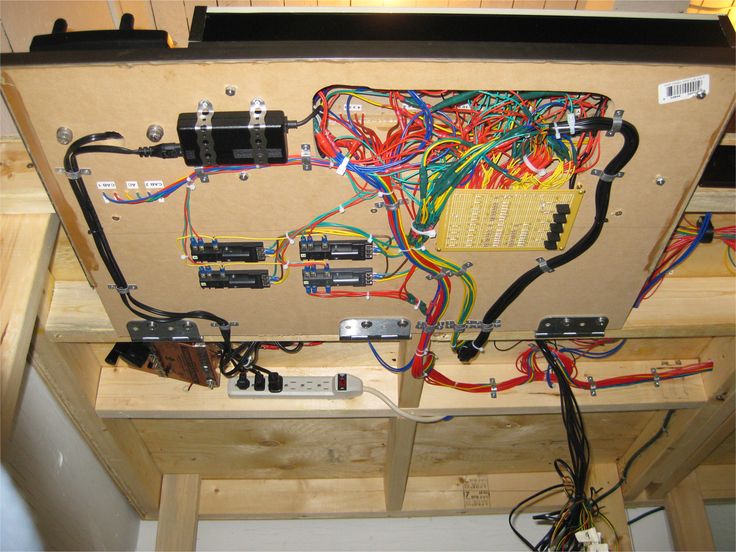
Plan Equipment Wiring in Seminole County, FL for machinery, HVAC systems, dedicated circuits, power needs, controls, safe connections, and future expansion
Commercial and industrial equipment depends on more than simply having a nearby electrical outlet. Machinery, HVAC systems, production equipment, motors, and specialized business systems may require dedicated circuits, specific voltage, disconnects, controls, and properly planned power distribution. Poorly coordinated Equipment Wiring can lead to repeated breaker trips, unreliable operation, installation delays, or electrical infrastructure that does not match the equipment’s actual requirements. Altech Electric of Central Florida, Inc provides commercial and industrial electrical services throughout Central Florida.
A successful installation should begin before new equipment arrives whenever possible. Facility managers need to understand the equipment specifications, available electrical capacity, operating load, installation location, and connection requirements. Existing panels and distribution equipment should also be considered when several machines or systems are being added at once. Planning these details early helps avoid discovering after delivery that a facility needs additional circuits, upgraded distribution equipment, or a different wiring route.
Start With the Equipment Specifications
The company’s dedicated Equipment Wiring service covers electrical connections for machinery, production equipment, industrial systems, HVAC equipment, and other specialized commercial applications.
Before wiring begins, the electrical requirements supplied by the equipment manufacturer should be reviewed. Voltage, amperage, phase, circuit requirements, disconnect needs, control connections, and operating load can all influence how the equipment should be connected.
Facility managers should avoid assuming that two similar machines require identical electrical setups. Newer or larger equipment may have very different power requirements from the unit it replaces.
Having accurate specifications available before installation allows the electrician to evaluate the existing electrical system and determine what must be prepared before the equipment is energized.
Confirm Available Electrical Capacity
Installing new equipment adds demand to the facility’s electrical system.
A panel may have an open breaker position without necessarily having enough overall capacity for another significant load. This is especially important with machinery, large HVAC systems, production equipment, and other devices that operate for long periods or require substantial startup current.
The existing service, panels, feeders, breakers, and distribution arrangement should be reviewed as part of the project.
Businesses planning commercial equipment wiring in Seminole County, FL should also consider future equipment purchases. If additional machinery is expected soon, discussing those plans during the current project can help reduce unnecessary electrical changes later.
The goal is not to oversize everything. It is to match electrical infrastructure with realistic operating demands.
Dedicated Circuits Help Separate Equipment Loads
Many commercial systems require dedicated electrical circuits rather than sharing power with lighting, receptacles, or unrelated equipment.
Dedicated circuits can make the electrical system easier to organize and help ensure that equipment receives the type of supply required for normal operation.
Circuit size and protection should be based on the equipment specifications and applicable electrical requirements. Simply increasing breaker size is not a proper response when existing wiring or electrical capacity is insufficient.
Clear circuit identification is also useful after installation. Facility personnel should be able to determine which breaker controls a specific machine or system without testing several unrelated circuits.
Good labeling can make maintenance and troubleshooting easier throughout the life of the equipment.
Plan the Wiring Route Before Equipment Arrives
Where equipment is placed can significantly affect the electrical work.
A machine installed close to suitable distribution equipment may require a simpler wiring route than one positioned across a warehouse, manufacturing floor, or commercial building.
Conduit paths, ceiling height, walls, working clearances, doorways, production areas, and existing utilities can all influence installation.
Facility managers should finalize equipment placement before electrical work progresses too far. Moving machinery after conduit and circuits have already been installed can create unnecessary modifications.
The planned route should also avoid interfering with normal facility movement, storage, loading operations, or access needed for other building systems.
Early coordination between equipment suppliers, contractors, facility managers, and electrical professionals can prevent avoidable conflicts.
Do Not Overlook Disconnect Requirements
Some commercial and industrial equipment needs a means of disconnecting electrical power near the equipment.
The specific requirement depends on the equipment and installation conditions, but disconnect placement should be considered during planning rather than added as an afterthought.
Access matters. Electrical disconnects should not become hidden behind permanent storage, machinery, shelving, or other obstacles that make them difficult to reach when service is needed.
Maintenance teams should also understand which disconnect belongs to which equipment.
Clear identification becomes especially important in facilities with several machines positioned close together.
Proper planning supports safer servicing and helps technicians isolate equipment without unnecessarily affecting other operations.
Coordinate Wiring With Motors and Controls
Some equipment requires more than a basic power connection.
Motors, starters, control panels, sensors, switches, and other control components may need to work together for the system to operate correctly. These connections should follow the equipment design and operating requirements.
Control wiring should also be planned around how the equipment will actually be used.
For example, production machinery may require specific startup and shutdown sequences, while HVAC or mechanical equipment can involve controls that communicate with other building systems.
Altech Electric of Central Florida, Inc also works with motor and electrical control systems, making coordination between equipment power and control requirements an important part of commercial electrical planning.
The complete operating system should be understood before connections are finalized.
Replace Equipment Without Assuming Existing Wiring Is Suitable
A replacement machine may fit in the same physical location as the old one while requiring a different electrical setup.
Power requirements can change between equipment models. A newer machine may require a different voltage, larger circuit, additional control wiring, or another connection method.
Before connecting replacement equipment, the existing circuit should be evaluated against the new manufacturer’s requirements.
Old wiring should not automatically be reused simply because it reaches the correct location.
This review can also reveal deteriorated electrical components or modifications made during previous equipment changes.
Treating replacement equipment as a new electrical load rather than a simple swap helps prevent compatibility problems after startup.
Schedule Electrical Work Around Business Operations
Equipment wiring can affect normal facility activity, especially when circuits or distribution equipment must be temporarily shut down.
Facility managers should identify critical systems before work begins. Refrigeration, computer systems, production lines, communication equipment, and other essential operations may need special scheduling.
Work may be easier to complete during lower-production periods or planned maintenance windows.
Businesses arranging industrial equipment wiring in Lake County, FL should discuss shutdown needs before installation begins so affected departments can prepare.
Clear communication matters when multiple contractors are involved. Equipment delivery, mechanical installation, electrical connections, testing, and final startup should happen in a logical order rather than competing for access to the same work area.
Test Equipment Before Returning It to Normal Operation
Electrical installation should be followed by appropriate testing.
Connections, circuit protection, controls, disconnects, and equipment operation should be checked before the system enters normal daily use.
Testing can reveal problems that are easier to correct before the surrounding work is considered complete.
Facility managers should also confirm that the equipment starts, stops, and operates as intended. If another contractor or equipment representative handles startup, electrical and mechanical teams may need to coordinate during this stage.
Repeated breaker trips, unusual electrical behavior, or inconsistent operation should not be treated as normal startup problems.
The cause should be identified before the equipment is placed into regular production or commercial use.
Keep Electrical Areas Accessible After Installation
A well-installed circuit can become difficult to maintain when storage or new construction blocks access.
Panels, disconnects, control equipment, and other electrical components should remain accessible for future inspection, maintenance, and troubleshooting.
Facility layouts often change over time. New shelving, inventory, machinery, office partitions, or storage areas may gradually surround electrical equipment that was originally easy to reach.
Property managers should include electrical clearances in future space-planning decisions.
Access is particularly important when a machine causes an unexpected problem and technicians need to isolate or test the circuit quickly.
Good equipment placement considers maintenance needs as well as normal daily operation.
Plan for Future Facility Expansion
Businesses frequently add electrical loads gradually.
One new machine may fit easily within the existing system, but several equipment additions over a few years can significantly change facility demand.
Before installing new circuits, property owners can discuss planned expansion, additional production lines, HVAC changes, EV charging, lighting upgrades, or other major future electrical loads.
This does not mean installing equipment that may never be needed. It means avoiding decisions that unnecessarily limit reasonable growth.
Altech Electric of Central Florida, Inc provides related commercial services such as facility upgrades, power distribution work, panel upgrades, and electrical troubleshooting, allowing equipment connections to be considered within the broader electrical infrastructure.
Planning with future operations in mind can reduce repeated modifications to recently completed work.
Address Repeated Electrical Problems Instead of Resetting Breakers
Equipment that repeatedly trips a breaker should be investigated.
The issue could involve the equipment itself, circuit loading, wiring, a connection problem, protection devices, or another electrical condition. Continuously resetting a breaker without identifying why it trips is not a repair.
Facility managers should document when the problem occurs. Does it happen during startup, after the machine has been running, when another system turns on, or only under heavy production?
These details can help narrow the problem during troubleshooting.
The same principle applies to unusual heat, burning odors, flickering nearby lighting, intermittent operation, or unexpected shutdowns.
Electrical symptoms around commercial equipment deserve proper diagnosis before normal operation continues.
Conclusion
Equipment Wiring requires careful coordination between machinery requirements and the electrical infrastructure that supports it. Voltage, operating load, dedicated circuits, disconnects, controls, wiring routes, panel capacity, future expansion, and equipment placement can all affect the final installation.
Businesses in Seminole County can reduce installation problems by reviewing equipment specifications and electrical capacity before machinery reaches the facility. In Lake County, the same planning approach can help commercial and industrial property owners coordinate new equipment with existing panels, circuits, controls, and future operational needs.
Altech Electric of Central Florida, Inc provides equipment wiring for machinery and specialized commercial systems across Central Florida. Planning the electrical connection early, keeping components accessible, and testing equipment before regular operation can help support reliable facility performance while reducing unnecessary downtime.
Frequently Asked Questions
What types of equipment can require professional Equipment Wiring?
Commercial machinery, production equipment, HVAC systems, motors, industrial equipment, and specialized business systems may require dedicated electrical connections based on their specifications.
Should electrical capacity be checked before buying new machinery?
Yes. Reviewing voltage, amperage, phase, operating load, and available panel or service capacity before installation can help identify required electrical changes early.
Can new equipment use the same wiring as the machine it replaces?
Not automatically. The replacement equipment may have different electrical requirements, so the existing circuit and connection method should be checked against the new specifications.
Why does commercial equipment need a dedicated circuit?
Some equipment requires a dedicated circuit to provide the correct electrical supply and protection without sharing the circuit with unrelated loads. Requirements depend on the specific equipment.
What should businesses plan before equipment installation day?
Confirm the final equipment location, electrical specifications, wiring route, available capacity, shutdown requirements, contractor responsibilities, and the sequence for installation and startup.
Why does equipment keep tripping its circuit breaker?
Repeated trips can be related to circuit loading, equipment faults, wiring problems, connections, or other electrical conditions. The cause should be professionally diagnosed rather than repeatedly resetting the breaker.