Plan Service & Panel Upgrades in Orange County, FL for outdated panels, added capacity, breaker changes, code needs, expansions, and reliable power supply.
Electrical demands inside commercial properties rarely stay the same for decades. New equipment, additional workstations, updated HVAC systems, expanded production areas, EV charging, lighting improvements, and renovations can gradually place more demand on electrical infrastructure that was designed for an earlier use. When an electrical panel has limited breaker space, damaged components, recurring trips, or insufficient capacity, continuing to add circuits without reviewing the complete service can create performance and safety concerns. Altech Electric of Central Florida, Inc works with commercial and industrial electrical systems throughout Central Florida.
Planning an electrical upgrade should begin with the property’s current load and future operating needs rather than simply replacing a panel because it is old. Incoming service capacity, panel condition, breaker configuration, power distribution, equipment demands, grounding, and planned expansion all deserve consideration. A well-planned upgrade gives property owners an opportunity to correct existing limitations while preparing electrical infrastructure for equipment and operational changes that may come later.
Know When Existing Electrical Capacity Is Becoming a Limitation
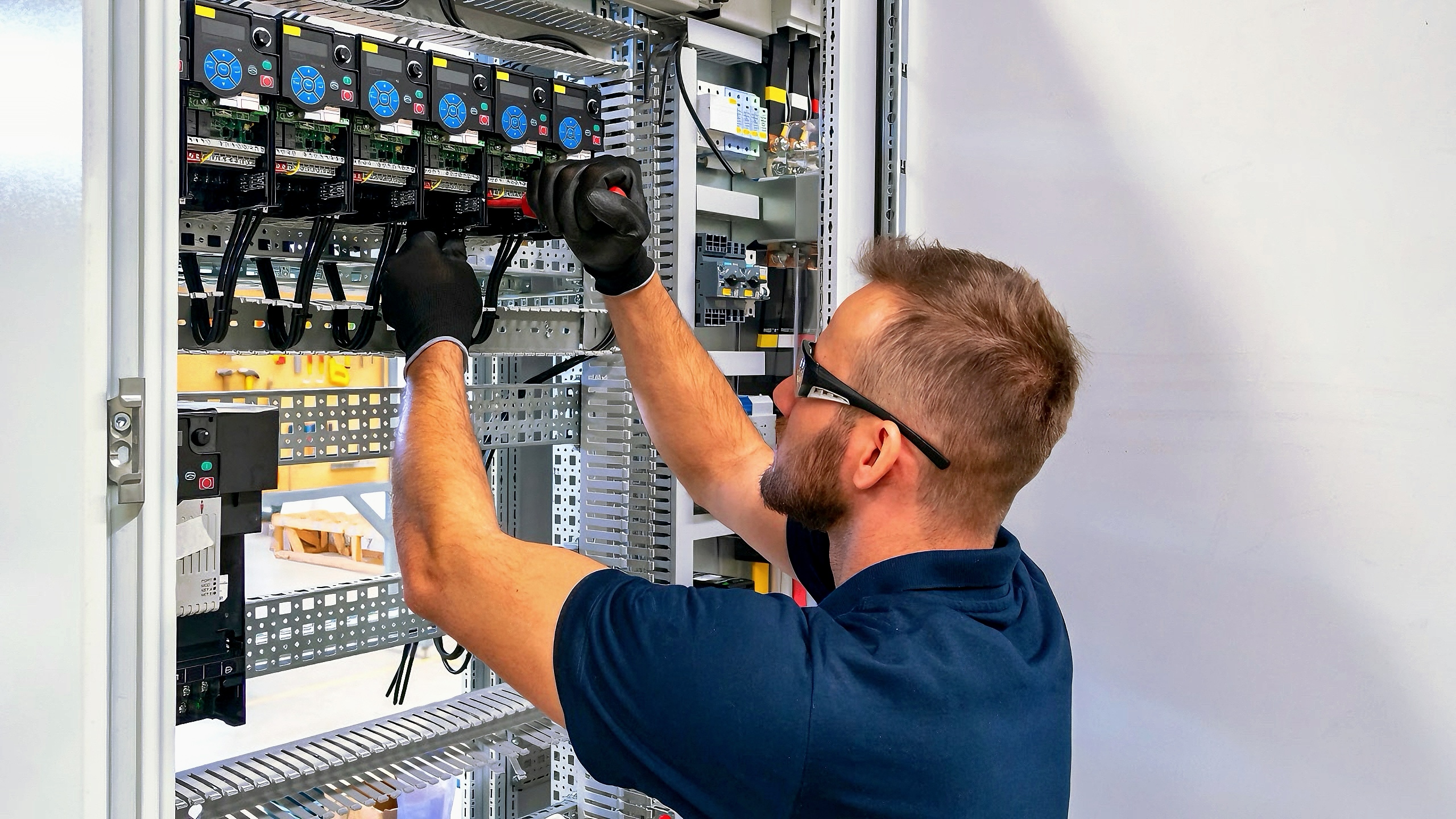
The company’s dedicated Service & Panel Upgrades include electrical panel replacement, service upgrades, breaker installation, capacity improvements, and power distribution work for commercial and industrial properties.
A panel does not necessarily require replacement simply because it has been in service for many years. Condition and performance matter more than age alone. However, recurring breaker trips, overheating, damaged components, limited breaker positions, or difficulty supporting new equipment can indicate that the electrical system deserves a closer evaluation.
Business growth can also reveal limitations that were not obvious before. An office adding workstations, a restaurant installing new equipment, or a warehouse expanding operations may require circuits and electrical capacity that the original system was never designed to support.
Understanding the reason for an upgrade helps determine whether the project needs a panel replacement, increased service capacity, additional distribution equipment, or more targeted electrical changes.
Start With a Load and Equipment Review
Before changing electrical service equipment, property owners should identify what the building currently powers and what may be added in the near future.
Large HVAC equipment, motors, commercial kitchen appliances, machinery, lighting, computer systems, refrigeration, charging equipment, and other loads can significantly affect electrical demand. Planned tenant improvements or facility expansions should be included in the discussion as well.
This does not mean every property needs the largest possible electrical service. Oversizing equipment without understanding actual needs can add unnecessary cost. The objective is to establish enough capacity for realistic present and future loads while keeping distribution organized.
Property owners planning commercial panel upgrades in Orange County, FL can benefit from discussing future improvements before equipment is selected. If a major renovation or new electrical load is expected soon, incorporating it into the current planning process may reduce the need to modify recently completed work.
Breaker Trips Should Be Diagnosed, Not Simply Upsized
Repeatedly tripped breakers can be frustrating, particularly when they interrupt business equipment or daily operations. However, replacing a breaker with a larger one without determining why it trips is not an appropriate shortcut.
A breaker may trip because a circuit is overloaded, equipment has a fault, wiring is damaged, or another electrical problem is present. The breaker itself could also require evaluation.
The correct response begins with diagnosis. An electrician can review the affected circuit, connected load, breaker, wiring, and panel condition to determine what is causing the interruption.
If the circuit simply has more connected demand than it was designed to support, additional circuits or a distribution change may be considered. If the larger electrical service is already operating close to its practical capacity, the issue may become part of a broader service upgrade discussion.
Treating breaker trips as information rather than an inconvenience helps property owners address the actual electrical problem.
Panel Replacement and Service Upgrades Are Different
The electrical panel distributes power among circuits throughout the building, while the electrical service determines how power reaches and supports that distribution system. Upgrading one does not automatically mean the other must change.
A damaged or outdated panel might need replacement while the existing service capacity remains suitable. In another property, a panel may be in reasonable condition but the overall incoming electrical capacity may no longer support planned equipment.
Larger projects can involve both. When a facility is expanding operations or making major electrical changes, the panel, incoming service, breakers, grounding, and distribution system may need to be evaluated together.
Understanding this distinction helps owners avoid assuming that every electrical capacity problem can be solved by installing a different breaker panel.
Plan Electrical Upgrades Around Business Operations
Commercial electrical work can affect normal building operations, particularly when service equipment must be disconnected or circuits are temporarily unavailable.
Before work begins, identify equipment that cannot easily be shut down. Servers, refrigeration, security systems, manufacturing equipment, payment systems, communications equipment, and other critical operations may require special scheduling or advance preparation.
Some work may be planned during lower-activity periods to reduce disruption. Other projects may need to be completed in phases so essential areas remain operational.
Communication between the electrical contractor, property manager, business owner, and any affected tenants helps everyone understand what equipment will be unavailable and when.
A technically successful upgrade can still create unnecessary business problems if shutdown planning is ignored. Operational planning should therefore be treated as part of the electrical project itself.
Facility Expansion Can Change Power Distribution Needs
Adding square footage or new equipment may affect more than total electrical capacity. It can also change where power needs to be distributed throughout the building.
A warehouse expansion may require new circuits farther from the main electrical room. A renovated retail space may need additional lighting and receptacle circuits. Restaurants, offices, and industrial spaces can each create different distribution requirements when layouts change.
The electrical system should support these new areas without creating an unorganized collection of added circuits.
Altech Electric of Central Florida, Inc also works with power distribution and facility electrical improvements, making it practical to consider how service and panel changes connect with the rest of a property’s electrical infrastructure.
Planning distribution early can also help avoid relocating equipment or opening finished spaces after construction has already progressed.
Code Issues May Surface During Renovation Work
Renovations sometimes expose electrical conditions that were not visible before walls, ceilings, or equipment were opened or removed.
Older components may no longer match the requirements of the new project. Previous modifications may also reveal wiring, breakers, or panel arrangements that need correction before additional electrical work can proceed.
This does not mean that every older electrical component automatically requires replacement. The scope should be based on the actual condition, applicable requirements, and planned work.
Property owners should allow time in renovation schedules for electrical evaluation rather than assuming the existing service can automatically support every new load.
Addressing electrical concerns while related construction is already underway can be more practical than discovering capacity or distribution problems after new equipment and finishes have been installed.
Prepare for High-Demand Electrical Additions
Some improvements can add significant electrical demand to a commercial property. EV charging equipment, new HVAC systems, commercial appliances, motors, production machinery, and other high-load equipment may influence service planning.
The equipment specifications should be reviewed before installation. Electrical requirements can vary significantly between models, and the existing panel may need additional breaker space or capacity.
For businesses considering electrical service upgrades in Osceola County, FL, discussing upcoming high-demand equipment before purchase can help identify possible infrastructure needs.
This planning is especially useful when several upgrades are happening close together. Evaluating each new load independently may overlook the combined demand placed on the building’s electrical system.
Leave Room for Realistic Future Growth
Commercial electrical planning should account for reasonable expansion without trying to predict every possible future change.
A business may expect to add equipment, renovate another part of the building, increase staffing, or install charging infrastructure in the coming years. Sharing these plans with the electrical contractor can influence decisions about capacity and panel space.
Available breaker positions can be useful when future circuits are expected. Distribution equipment should also remain accessible instead of becoming blocked by storage or later construction.
Documentation helps too. Updated panel directories and clear circuit identification can make future maintenance and troubleshooting easier.
The goal is not to install unnecessary equipment. It is to avoid designing an upgrade so closely around today’s requirements that the next planned improvement immediately creates another electrical limitation.
Keep Electrical Panels Accessible After the Upgrade
After a panel project is complete, maintaining safe access to the equipment remains important.
Storage, shelving, furniture, inventory, and other items should not gradually take over the electrical equipment area. Commercial spaces change frequently, and what begins as temporary storage can eventually make a panel difficult to reach.
Clear labeling can also support future maintenance. Workers should be able to identify circuits without guessing which breaker controls a particular area or piece of equipment.
Property managers should pay attention to unusual heat, odors, repeated trips, visible damage, or changes in electrical performance and arrange professional evaluation when concerns appear.
A newly upgraded system still depends on responsible use and maintenance over time.
Conclusion
Service & Panel Upgrades can help commercial and industrial properties address limited electrical capacity, damaged equipment, expanding operations, new circuits, and changing power demands. The strongest projects begin with evaluating the complete electrical system instead of focusing only on replacing the visible panel.
Businesses in Orange County should consider existing loads, future equipment, breaker space, power distribution, and possible renovation plans before deciding on an upgrade. In Osceola County, property owners preparing for facility expansion or higher electrical demand can use the same planning approach to identify whether panel work, service changes, or additional distribution improvements are needed.
Altech Electric of Central Florida, Inc provides service and panel upgrade work throughout Central Florida. Evaluating current electrical demands alongside realistic future growth can help businesses make upgrade decisions that support safer, more organized, and more reliable electrical operation.
Frequently Asked Questions
What are signs that a commercial electrical panel may need an upgrade?
Recurring breaker trips, damaged components, overheating, limited breaker space, difficulty supporting new equipment, or planned increases in electrical demand can justify professional evaluation.
Is replacing an electrical panel the same as upgrading electrical service?
No. Panel replacement addresses the equipment that distributes circuits, while a service upgrade can involve increasing or changing the electrical capacity available to the property. Some projects require one, while others may involve both.
Should new commercial equipment be considered before a panel upgrade?
Yes. HVAC equipment, EV chargers, machinery, refrigeration, commercial appliances, and other significant loads should be considered during planning so the electrical system can be evaluated around realistic demand.
Why do breakers keep tripping after new equipment is installed?
Repeated trips can result from overloaded circuits, equipment faults, wiring problems, or other electrical conditions. The cause should be diagnosed rather than automatically installing a larger breaker.
Can Service & Panel Upgrades be coordinated with a commercial renovation?
Yes. Renovation planning can be an appropriate time to review panel capacity, circuits, distribution, and future loads because walls or electrical areas may already be accessible and new equipment requirements are being established.
How can businesses prepare for electrical upgrade work?
Identify critical equipment, discuss shutdown requirements, document planned future loads, keep electrical areas accessible, and coordinate the work with tenants, managers, or other contractors who may be affected.