
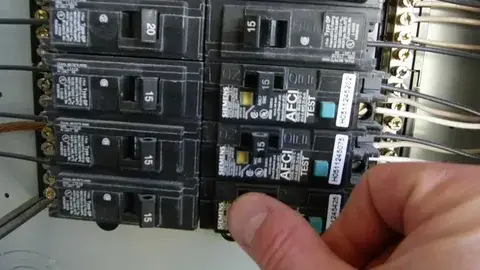
Electrical protection devices help reduce risks from arc faults, ground faults, damaged wiring, and unsafe electrical conditions. When breakers or outlets trip repeatedly, reliable AFCI and GFCI troubleshooting can identify the actual source instead of relying on repeated resets. A tripping device may point to a faulty appliance, wiring problem, moisture, loose connection, or worn protective device.
Altech Electric helps property owners in Orlando, FL, and Winter Park, FL evaluate these electrical problems carefully. Proper diagnosis matters because AFCI and GFCI devices respond to different hazards. Therefore, electricians must test the circuit, connected equipment, wiring condition, and protective device before recommending repairs.
Some homes need professional AFCI breaker tripping repair when an arc-fault breaker will not remain set. Others may need a reliable GFCI outlet installation service in areas where ground-fault protection is appropriate. Furthermore, experienced AFCI GFCI replacement experts can determine whether a device has failed or another electrical problem causes repeated trips.
Professional electrical safety inspections can also reveal broader concerns. In some situations, older equipment may require electrical panel replacement, but electricians should recommend major work only after evaluating actual conditions.
Why AFCI and GFCI Devices Trip
AFCI and GFCI protection devices monitor electrical circuits for unsafe conditions. However, they detect different problems. Understanding that difference makes troubleshooting more accurate and prevents unnecessary replacement.
Common Causes of Repeated Tripping
An AFCI breaker can react to damaged cords, loose wiring, failing appliances, or electrical arcing. Meanwhile, a GFCI device monitors current imbalance and can trip when electricity follows an unintended path.
Common causes include:
- Damaged appliance cords
- Loose electrical connections
- Moisture near receptacles
- Faulty connected equipment
- Aging protective devices
Professional AFCI breaker tripping repair should identify the source before a breaker gets replaced. Likewise, repeated GFCI trips may require circuit testing rather than simply installing another outlet.
Electricians can isolate connected loads and inspect the circuit step by step. Therefore, accurate testing helps distinguish a genuine electrical fault from a worn protective device.
Diagnosing AFCI Breaker Problems
Expert AFCI and GFCI troubleshooting should begin with careful testing rather than repeated breaker resets. Arc-fault breakers can trip because of actual arcing, damaged wiring, equipment problems, or compatibility concerns.
Finding the Source of AFCI Trips
A qualified electrician may disconnect appliances and test sections of the circuit individually. This method helps identify whether the problem comes from wiring, a connected device, or the breaker itself.
Five useful diagnostic steps include:
- Review when the breaker trips.
- Disconnect connected appliances.
- Inspect accessible wiring.
- Test circuit conditions.
- Evaluate breaker performance.
A professional AFCI breaker tripping repair may involve correcting a loose connection, repairing damaged wiring, or replacing a failed breaker. However, electricians should avoid replacing components before confirming the cause.
Careful diagnosis can also reveal hidden electrical issues. As a result, homeowners gain a safer and more dependable solution instead of a temporary reset.
Addressing GFCI Outlet Problems
GFCI outlets commonly protect areas where electricity may come into contact with moisture. Kitchens, bathrooms, garages, exterior areas, and similar locations often need this type of protection.
When GFCI Replacement Makes Sense
A professional GFCI outlet installation service can replace a damaged device or add appropriate protection during electrical improvements. However, repeated tripping may come from downstream wiring or connected equipment.
Electricians typically review:
- Moisture near the outlet
- Loose terminal connections
- Connected appliances
- Downstream receptacles
- Device age and condition
Qualified AFCI and GFCI replacement experts in Orlando, FL can test the existing device before deciding whether replacement is necessary. Furthermore, electricians should confirm proper line and load connections during installation.
A correctly functioning GFCI should respond to unsafe current conditions. Therefore, homeowners should not bypass or repeatedly reset a device that continues to trip without identifying the reason.
Electrical Safety Inspections and Circuit Testing
Repeated breaker or outlet problems can sometimes point to wider electrical concerns. Therefore, troubleshooting should consider the entire circuit rather than focusing only on one device.
What a Safety Inspection Can Reveal
Professional electrical safety inspections may identify loose connections, overheating, damaged wiring, improper circuit modifications, or aging electrical components.
Electricians commonly check:
- Breaker and outlet condition
- Visible wiring damage
- Grounding connections
- Signs of overheating
- Circuit loading concerns
Altech Electric can evaluate AFCI and GFCI problems alongside the broader electrical system. This approach helps determine whether the issue remains limited to one circuit or requires additional attention.
In older homes, electricians may also inspect service equipment for wear or capacity limitations. However, recommendations should reflect observed conditions and testing results rather than age alone.
When Panel Condition Affects Circuit Protection
AFCI and GFCI devices rely on the electrical system around them. Therefore, damaged panel components, poor connections, or obsolete equipment can sometimes contribute to circuit problems.
Evaluate Before Replacing the Panel
A trusted AFCI and GFCI troubleshooting process may include panel inspection when several circuits show unusual behavior. Still, a panel upgrade should never become the first assumption.
Electricians may evaluate:
- Main panel condition
- Breaker connections
- Signs of corrosion
- Heat damage
- Available circuit capacity
Professional electrical panel replacement in Winter Park, FL may make sense when equipment shows serious damage, obsolete components, or significant capacity limitations. In contrast, many circuit problems can be corrected without replacing the entire panel.
Experienced AFCI GFCI replacement experts should explain what testing revealed and why specific work is recommended. Clear information helps homeowners make informed decisions without paying for unnecessary electrical upgrades.
Preventing Future AFCI and GFCI Problems
A professional AFCI and GFCI troubleshooting service should solve the immediate problem while helping homeowners understand how to reduce repeat issues. Good electrical habits can protect both circuits and connected equipment.
Practical Steps for Reliable Protection
Homeowners should pay attention to changes in breaker and outlet behavior. Frequent trips should never become part of normal household operation.
Five practical habits include:
- Replace damaged appliance cords.
- Keep outlets dry.
- Avoid overloading circuits.
- Test GFCI devices regularly.
- Report recurring trips promptly.
Routine electrical safety inspections may also help identify developing problems before they interrupt daily power. Likewise, using qualified electricians for renovations can reduce wiring mistakes that later affect AFCI or GFCI performance.
Homeowners in Orlando and Winter Park should treat protective devices as warning systems. When they trip repeatedly, professional diagnosis provides a safer response than simply resetting them again.
Conclusion
AFCI and GFCI devices provide important electrical protection, but repeated tripping deserves proper investigation. The problem may come from a damaged appliance, moisture, loose wiring, a failing breaker, or another condition within the circuit.
Homeowners should avoid replacing protective devices without first confirming the cause. Accurate testing can prevent unnecessary repairs while helping identify genuine electrical hazards.
Choosing reliable AFCI breaker tripping repair in Orlando, FL can help isolate arc-fault problems before they become recurring disruptions. Meanwhile, a professional GFCI outlet installation service in Orlando, FL can provide suitable ground-fault protection where needed.
Property owners may also benefit from experienced replacement specialists when protective devices reach the end of their service life. In addition, broader circuit testing can reveal wiring or panel concerns that deserve attention.
Orlando and Winter Park homes vary in age, wiring design, and electrical demand. Therefore, troubleshooting should always reflect the property’s actual electrical condition. A careful diagnosis gives homeowners clearer answers, supports safer repairs, and reduces the chance of unnecessary component replacement.
FAQs
Why does my AFCI breaker keep tripping?
An AFCI breaker may trip because of damaged wiring, loose connections, faulty appliances, electrical arcing, or a failing breaker. Professional testing can identify the cause.
Why won’t my GFCI outlet reset?
A GFCI may refuse to reset because of moisture, a wiring fault, lost power, downstream problems, or device failure.
Should I replace a breaker that trips repeatedly?
Not automatically. An electrician should first determine whether the breaker responds to a real circuit problem or has become defective.
How often should GFCI outlets be tested?
Homeowners should follow manufacturer recommendations and use the built-in test and reset buttons regularly to confirm proper operation.
Can AFCI or GFCI problems indicate larger electrical issues?
Yes. Repeated problems can sometimes point to damaged wiring, poor connections, overloaded circuits, or aging electrical equipment.