
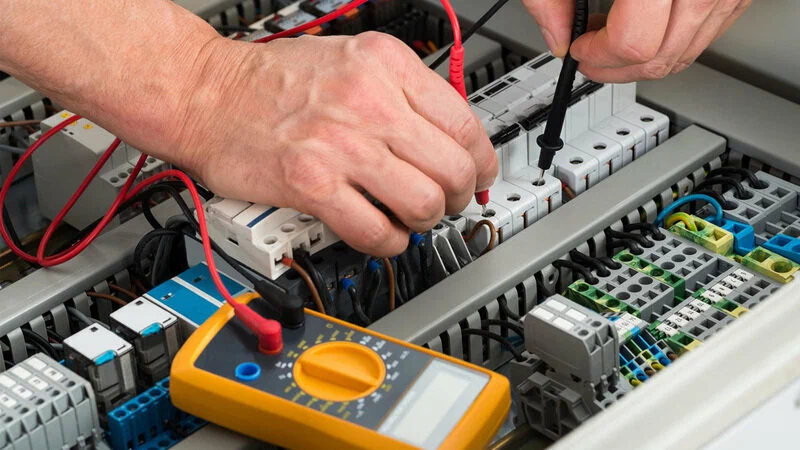
Learn how electrical troubleshooting in Altamonte Springs, FL can identify breaker trips, faulty wiring, flickering lights, power loss, and circuit problems.
Electrical problems often begin with symptoms that seem minor, such as a flickering light, an outlet that suddenly stops working, or a breaker that trips occasionally. However, the visible symptom does not always reveal where the actual problem is located. Altech Electric provides electrical services for residential, commercial, and industrial properties throughout Central Florida, including diagnostic and repair work for wiring, breakers, panels, lighting, circuits, and other electrical components. Professional troubleshooting focuses on identifying the source of an electrical issue before parts are replaced or larger upgrades are recommended. For property owners in Altamonte Springs, Apopka, and surrounding communities, this approach can help distinguish an overloaded circuit from faulty wiring, a damaged breaker, a malfunctioning device, or another electrical condition. Understanding how electrical diagnosis works can also help homeowners and businesses respond appropriately when problems repeat, power becomes unreliable, or different parts of a building begin showing similar symptoms.
Why Electrical Troubleshooting Matters
An electrical system contains many connected components. Breakers, panels, wiring, receptacles, switches, lighting, equipment, and appliances all depend on correct electrical connections to function as intended. When one component develops a fault, symptoms may appear somewhere else in the system.
Professional electrical troubleshooting focuses on finding the cause before choosing a repair. Testing can help determine whether a problem involves a single outlet, one circuit, damaged wiring, a breaker, an electrical panel, connected equipment, or a broader system condition.
Accurate diagnosis can also prevent unnecessary work. Replacing an outlet will not solve a problem caused by damaged wiring farther along the circuit, and repeatedly resetting a breaker does not correct the condition that causes it to trip.
Electrical Warning Signs That Need Attention
Repeated electrical symptoms should not be ignored simply because power returns after a breaker reset or a device begins working again.
Frequent breaker trips can indicate overloaded circuits, faulty equipment, wiring problems, or breaker issues. Flickering lights may be related to a loose connection, lighting component, circuit condition, or another electrical problem. Outlets or switches that stop working can also have several possible causes, which is why diagnosis should come before replacement.
Other warning signs include buzzing electrical components, unusual odors, discolored receptacles, intermittent power, switches that feel unusually warm, or areas of a building that lose power without an obvious explanation. Property owners should avoid opening electrical panels or attempting to repair energized wiring themselves.
Electrical problems that affect several rooms or devices may require a broader system evaluation. The number and location of affected components can give an electrician useful information when beginning the troubleshooting process.
How Professional Electrical Diagnosis Works
Troubleshooting generally begins by reviewing the symptoms and identifying which circuits or equipment are affected. The electrician may ask when the problem occurs, how frequently it happens, whether recent electrical work was completed, and whether new appliances or equipment were added.
Testing Circuits and Components
Diagnostic testing can involve breakers, outlets, switches, wiring connections, lighting circuits, panels, or connected equipment depending on the reported problem. The objective is to narrow the issue systematically rather than changing several parts and hoping the symptom disappears.
When a fault is identified, the electrician can explain whether a repair, component replacement, wiring correction, circuit change, or another type of electrical work is appropriate.
Checking for Related Electrical Problems
A visible failure may be only one part of the issue. For example, a damaged receptacle may be connected to wiring or circuit conditions that also need attention. A breaker trip may result from an overloaded circuit rather than a defective breaker.
Reviewing connected components can provide a clearer understanding of whether the issue is isolated or part of a larger electrical condition.
Electrical Troubleshooting in Altamonte Springs, FL
The Altamonte Springs location page specifically supports electrical wiring work and AFCI/GFCI troubleshooting for homes and businesses. Property owners seeking electrical troubleshooting in Altamonte Springs, FL may need diagnostic service for breaker trips, wiring concerns, interrupted power, or other recurring electrical problems.
AFCI and GFCI devices are designed to respond to specific electrical conditions. If one begins tripping repeatedly, continually resetting it without determining the cause can leave the underlying issue unresolved. The problem may involve the device itself, connected wiring, moisture, equipment, or another condition on the circuit.
Older properties can also develop electrical problems as systems age and power demands change. New appliances, office equipment, HVAC systems, entertainment devices, and other electrical loads may place different demands on circuits than the building originally supported.
Troubleshooting helps establish whether a localized repair is enough or whether a larger electrical improvement should be considered.
Electrical Repair Services in Apopka, FL
Altech Electric’s Apopka page also supports wiring, electrical repairs, inspections, AFCI/GFCI troubleshooting, and system upgrades. Homeowners and businesses considering electrical repair services in Apopka, FL should provide as much information as possible about when the problem started and which parts of the property are affected.
A breaker that trips only when a particular appliance operates provides different diagnostic information from one that trips randomly throughout the day. Likewise, a single dead outlet may require a different approach from several outlets losing power at the same time.
Commercial properties can experience additional troubleshooting challenges because lighting, office equipment, machinery, HVAC systems, and other electrical loads may operate simultaneously. Identifying the affected circuit and conditions present when the problem occurs can help reduce unnecessary disruption during diagnosis.
Electrical repair should follow the findings of the inspection instead of assuming every symptom requires the same solution.
Common Causes of Recurring Electrical Problems
Overloaded circuits are one possible cause of repeated breaker operation. A circuit designed for a certain electrical load may struggle when several high-demand devices operate at the same time. Adding more devices through extension cords or power strips does not increase the circuit’s available capacity.
Loose or damaged electrical connections can also create intermittent problems. A device may operate normally for a period and then fail again when a connection changes with movement, temperature, or electrical load. These conditions require proper testing rather than repeated temporary adjustments.
AFCI or GFCI devices can trip when they detect conditions they are designed to respond to, but faulty equipment or wiring problems can also contribute to repeated interruptions. Finding which device or part of the circuit is creating the issue is important before replacing protective components.
Outdated or damaged electrical equipment may also contribute to recurring problems. An electrician can determine whether the concern is limited to one component or whether portions of the system should be updated.
When Electrical Repair May Lead to an Upgrade
Troubleshooting sometimes reveals that a straightforward repair can restore normal operation. A faulty switch, damaged receptacle, loose connection, or individual breaker may be corrected without making broader changes to the property.
In other situations, diagnosis may show that an older electrical system no longer supports the building’s current needs efficiently. Limited panel space, insufficient circuit capacity, outdated wiring, or repeated overload conditions can require a larger discussion about system improvements.
Remodeling and property expansion can also create new electrical requirements. Additional lighting, appliances, office equipment, HVAC systems, or dedicated circuits may need to be coordinated with existing electrical capacity.
An upgrade should be recommended because testing identifies a real need, not simply because a property experiences one electrical problem. Clear diagnosis helps property owners understand the difference between correcting a fault and increasing the capability of the electrical system.
Reducing Future Electrical Problems
Property owners can reduce some common electrical issues by paying attention to how circuits and devices behave over time. Breakers that repeatedly trip should be investigated instead of continually reset, especially when the same electrical load triggers the problem.
Avoid depending on extension cords or power strips as permanent substitutes for adequate electrical circuits. If a room consistently lacks enough receptacles for normal equipment, an electrician can evaluate whether additional wiring or circuits are appropriate.
Electrical changes made during renovations should also be planned before finished walls, ceilings, and cabinetry are completed. Coordinating new lighting, outlets, appliances, and equipment early makes it easier to determine whether the existing system can support the added demand.
Property owners should also report changes such as flickering lights, unusual odors, warm electrical components, or intermittent power promptly. Early diagnosis can provide more information before a recurring problem becomes more disruptive.
Choosing an Electrical Troubleshooting Contractor
A useful electrical service should begin with diagnosis rather than assumptions. Property owners should explain the symptoms clearly, including when the problem occurs, how often it happens, and which devices or areas are affected.
Ask what testing identified and which component is believed to be causing the problem. A contractor should be able to explain whether the issue involves wiring, a circuit, breaker, outlet, switch, panel, connected equipment, or another electrical component.
When a larger repair or upgrade is recommended, ask how the proposed work relates to the diagnostic findings. Understanding that connection makes it easier to determine why the work is needed.
It is also useful to mention previous electrical repairs and recent changes to the property. New equipment, remodeling, appliance replacement, or earlier wiring work can provide useful context during troubleshooting.
Conclusion
Electrical troubleshooting provides a structured way to identify the source of breaker trips, faulty wiring, flickering lights, dead outlets, intermittent power, and other electrical problems. Because electrical components are connected, the place where a symptom appears may not be the location of the actual fault.
For homeowners and businesses in Altamonte Springs and Apopka, professional diagnosis can help determine whether the issue requires a localized repair, component replacement, wiring correction, circuit improvement, or a larger electrical upgrade.
Recurring symptoms deserve particular attention. Constantly resetting breakers or replacing individual devices without understanding why they fail can leave the original problem unresolved.
By describing symptoms accurately, having affected circuits tested, and basing repairs on diagnostic findings, property owners can make better decisions about keeping their electrical systems functional and dependable.
Frequently Asked Questions
Why does my circuit breaker keep tripping?
A breaker may trip because of an overloaded circuit, faulty equipment, wiring trouble, a short circuit, or another electrical condition. Repeated trips should be diagnosed instead of continually resetting the breaker.
What causes lights to flicker repeatedly?
Flickering may be related to a light fixture, bulb, switch, loose connection, wiring issue, circuit condition, or another electrical problem. The pattern and number of affected lights can help with diagnosis.
Why did several outlets stop working at once?
Multiple outlets may be connected to the same circuit or protective device. A tripped breaker, GFCI device, wiring problem, or failed connection could affect several receptacles together.
Should I replace a GFCI outlet that keeps tripping?
Not automatically. Repeated GFCI trips may indicate moisture, connected equipment, wiring trouble, or a problem with the device itself. The cause should be identified before replacement.
Can electrical troubleshooting determine whether I need a panel upgrade?
Yes. Diagnostic work can help identify whether recurring problems come from individual circuits or components or whether the existing electrical system has capacity or equipment limitations that deserve further evaluation.
What information should I give an electrician before troubleshooting begins?
Explain which electrical components are affected, when the problem occurs, how often it happens, whether breakers trip, and whether recent renovations, equipment changes, or previous electrical repairs have taken place.