Learn how EV charging station installation works, including electrical needs, charger options, safety steps, and planning for homes in Winter Park, FL.
Electric vehicles are becoming more common, and many homeowners are looking for convenient ways to charge their vehicles at home. A home charging setup can make daily driving easier while reducing dependence on public charging locations.
For residents in Winter Park and Apopka, FL, EV charging station installation involves more than choosing a charger and plugging it in. A proper installation requires evaluating the electrical system, selecting the right equipment, and creating a safe charging setup. Altech Electric of Central Florida, Inc helps homeowners understand the electrical requirements involved with EV charging projects. Careful planning ensures the charging system works properly and supports the needs of the household.
Why Install an EV Charging Station at Home?
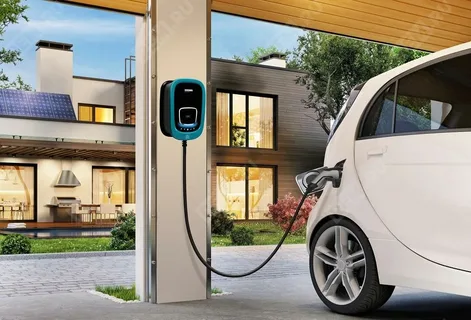
Home charging provides convenience for electric vehicle owners. Instead of waiting at public charging stations, drivers can charge their vehicles while parked at home.
Common benefits include:
- Overnight charging convenience
- Easier daily vehicle use
- Better control over charging schedules
- Reduced dependence on public chargers
- Added value for EV-ready homes
- Convenient access for multiple drivers
The best charging solution depends on the vehicle type, driving habits, and electrical capacity of the home.
Understanding EV Charger Options
Before installation, homeowners should understand the different charger levels available.
| Charger Type | Charging Speed | Common Application |
| Level 1 | Slow charging | Standard household outlet use |
| Level 2 | Faster residential charging | Home garages and parking areas |
| DC Fast Charger | High-speed charging | Commercial charging locations |
Most residential installations use Level 2 chargers because they provide faster charging while remaining practical for everyday home use.
Electrical Requirements for EV Charging
An EV charger adds a significant electrical load to a property. Before installation, the home’s electrical system should be evaluated to confirm it can safely support the additional demand.
Important factors include:
- Electrical panel capacity
- Available breaker space
- Wiring size
- Distance from the panel to the charger
- Grounding requirements
- Existing electrical load
- Local code requirements
Some homes may need electrical improvements before adding a charging station.
How EV Charging Station Installation Works
Planning an EV Charging Station Installation
EV charging station installation in Winter Park, FL starts with reviewing the home’s electrical system and determining the best location for the charger.
A typical installation process includes:
- Inspecting the electrical panel.
- Calculating available electrical capacity.
- Choosing the charger location.
- Installing the required circuit.
- Running proper wiring.
- Mounting the charging equipment.
- Testing the system.
- Confirming safe operation.
The exact process depends on the home’s design and the type of charger selected.
Choosing the Right Location for Your Charger
The location of an EV charger affects convenience and installation requirements.
Homeowners should consider:
- Garage parking arrangement
- Vehicle charging port position
- Cable length
- Protection from weather
- Distance from the electrical panel
- Future vehicle needs
A well-planned location makes charging easier and may reduce installation complexity.
Why Professional EV Charger Contractors Matter
Hiring experienced EV charger contractors in Apopka, FL can help homeowners avoid electrical problems and installation mistakes.
A qualified professional can evaluate:
- Electrical system capacity
- Charger compatibility
- Circuit requirements
- Safety considerations
- Installation location
- Permit requirements
Because EV chargers operate regularly and carry significant electrical loads, proper installation is important for long-term performance.
The Role of EV Charging Station Electricians
What EV Charging Station Electricians Evaluate
EV charging station electricians focus on the electrical side of the installation process. Their work helps ensure the charger connects safely with the home’s power system.
They may evaluate:
- Panel capacity
- Circuit protection
- Wiring requirements
- Grounding systems
- Load calculations
- Equipment specifications
An electrical assessment helps determine whether upgrades are needed before installation.
Common EV Charger Installation Mistakes
Many homeowners underestimate the electrical requirements involved with adding an EV charger.
Common mistakes include:
- Installing without checking panel capacity
- Using incorrect wiring
- Choosing the wrong charger type
- Placing the charger in an inconvenient location
- Ignoring future charging needs
- Skipping professional evaluation
- Overlooking safety requirements
Proper planning helps prevent performance issues and unnecessary repairs.
Electrical Upgrades for EV Charging Stations
Some homes are ready for EV charging equipment, while others may require upgrades.
Possible improvements include:
- Electrical panel upgrades
- Dedicated circuits
- Additional wiring
- Service capacity improvements
- Load management systems
- Outlet upgrades
A professional electrical evaluation can identify what changes are needed.
EV Charging Station Installation Compared to Standard Electrical Work
EV charger projects often require more planning than typical household electrical tasks.
| Project | Electrical Demand | Planning Level |
| Light installation | Low | Basic wiring review |
| Outlet addition | Moderate | Circuit evaluation |
| EV charging station | High | Load assessment and dedicated circuit |
| Panel upgrade | High | Full electrical review |
Understanding the difference helps homeowners prepare for the project.
Best Practices for EV Charger Installation
Homeowners can improve their charging experience by following several best practices.
Recommended steps include:
- Choose a charger compatible with your vehicle
- Evaluate electrical capacity first
- Plan the installation location carefully
- Consider future EV purchases
- Use proper electrical equipment
- Follow manufacturer guidelines
- Schedule inspections when required
A well-designed system provides reliable charging and improved convenience.
Maintaining Your EV Charging System
After installation, basic maintenance can help keep the charger operating properly.
Helpful maintenance habits include:
- Checking cables for damage
- Keeping the charging area clean
- Protecting equipment from unnecessary moisture
- Following manufacturer instructions
- Addressing unusual performance issues quickly
If the charger shows signs of damage, stop using it until it receives proper evaluation.
Actionable Tips Before Installing an EV Charger
Before scheduling an EV charging project in Winter Park or Apopka, homeowners should:
- Identify their vehicle’s charging requirements.
- Check their electrical panel information.
- Choose a convenient parking location.
- Consider future EV needs.
- Review charger features.
- Ask about permits and inspections.
- Understand installation requirements.
Preparation helps create a smoother installation process.
Conclusion
EV charging station electricians give homeowners in Winter Park and Apopka, FL a practical way to charge electric vehicles at home. However, a successful installation requires proper electrical planning, suitable equipment selection, and professional installation methods.
Altech Electric of Central Florida, Inc provides electrical expertise for EV charging projects and helps homeowners understand the requirements involved. By evaluating the electrical system and planning carefully, homeowners can create a safe and dependable charging solution.
FAQs
1. Can any home install an EV charging station?
Most homes can support EV charging, but some may need electrical upgrades depending on the available power and existing electrical system.
2. What type of EV charger is best for home use?
Many homeowners choose Level 2 chargers because they provide faster charging than standard outlets and work well for residential applications.
3. Why should I hire EV charger contractors?
Professional EV charger contractors can evaluate electrical capacity, install proper wiring, and help ensure the system operates safely.
4. How long does EV charging station installation take?
The installation timeline depends on the charger type, wiring distance, electrical system condition, and whether upgrades are required.
5. Do EV chargers require electrical panel upgrades?
Not always. Some homes have enough capacity, while others may require panel or circuit upgrades before installation.