Learn when panel upgrades service is needed in Kissimmee and Winter Park, FL, plus warning signs, replacement steps, planning tips, and common mistakes.
A reliable electrical system should support everyday appliances without repeated breaker trips, flickering lights, or overloaded circuits. A professional Altech Electric of Central Florida, Inc can help homeowners in Kissimmee, FL, and Winter Park, FL determine whether an older panel still meets the home’s power needs. This matters as households add larger HVAC systems, electric ranges, pool equipment, home offices, EV chargers, and other high-demand devices.
Altech Electric of Central Florida, Inc. provides panel upgrade work across Central Florida. Homeowners, however, should understand the warning signs and planning steps before deciding whether a full upgrade is necessary.
When a Panel Upgrades Service Becomes Necessary
An electrical panel does not need replacement simply because it is old. The main question is whether it can safely support the home’s current and expected electrical load.
Common warning signs include:
- Breakers that trip during normal appliance use
- Little or no room for added circuits
- Buzzing, heat, or unusual odors near the panel
- Lights that dim when major appliances start
- Visible corrosion or damage
- Renovations that will increase electrical demand
- Plans for an EV charger or larger HVAC system
Some of these symptoms can come from a single circuit or another wiring problem. A qualified electrician should inspect the system before recommending Panel upgrades service in Kissimmee, FL .
What to Expect From a Panel Upgrades Service
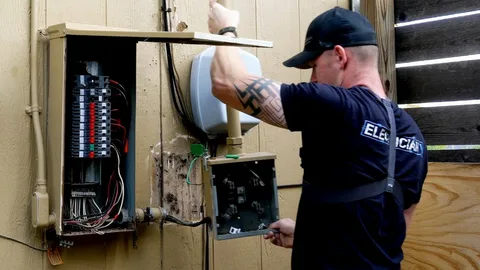
A good upgrade starts with an evaluation. The electrician should review the existing service size, breaker condition, connected loads, grounding, available circuit space, and planned additions.
The process often includes:
- Inspecting the current panel and service equipment.
- Calculating present and future electrical demand.
- Choosing the correct panel capacity and breaker layout.
- Planning any needed electrical panel installation work.
- Coordinating required permit, utility, or inspection steps.
- Installing, labeling, and testing the new equipment.
This approach helps prevent a common problem: changing the panel without checking whether the rest of the electrical service can support the upgrade.
Replacement, Repair, or More Circuit Space?
Not every electrical panel replacement in Winter Park, FL problem requires a complete panel change. The right solution depends on the equipment’s condition and the reason for the work.
| Situation | Possible Approach | Why It Matters |
| One faulty breaker | Breaker or circuit repair | The panel may still have enough capacity |
| No room for new circuits | Panel evaluation or upgrade | New loads may need more breaker space |
| Damaged panel | Electrical panel replacement | Physical defects can affect safety |
| Major renovation | Load calculation and panel review | New appliances can increase demand |
| New construction | Electrical panel installation | Capacity can be planned from the start |
Avoid choosing a panel size simply because a neighbor installed the same one. Two similar homes can have very different electrical loads.
Planning for Kissimmee and Winter Park Homes
Homes in Kissimmee and Winter Park vary in age, size, remodeling history, and electrical use. One property may need more capacity because of a remodeled kitchen, while another may need space for pool equipment, an EV charger, or a new air-conditioning system.
Before an upgrade, list the major electrical loads in the home and anything you plan to add within the next few years. This gives the electrician a clearer picture of future demand and may reduce the chance of another upgrade sooner than expected.
Common Panel Upgrade Mistakes to Avoid
A frequent mistake is assuming that breaker trips always mean the panel is too small. A damaged appliance, overloaded branch circuit, or wiring fault can cause similar symptoms.
Other mistakes include:
- Adding large loads without reviewing available capacity
- Installing higher-rated breakers without checking wire size
- Ignoring heat, corrosion, or burning odors
- Leaving circuits poorly labeled
- Choosing equipment only by price
- Planning for current demand but not future upgrades
Homeowners should not remove panel covers or attempt internal repairs without proper training.
Best Practices Before an Electrical Panel Upgrade
Start by documenting the symptoms you notice. Record when breakers trip, which appliances are running, and whether the issue affects one circuit or several areas.
Next, list future electrical projects. An induction range, heat pump, workshop, generator connection, or EV charger may change the recommended setup.
Ask for a clear scope of work. It should explain whether the project covers only the panel or also service equipment, grounding, breakers, or related components.
Finally, make sure the circuit directory is updated after the work. Clear labels make future maintenance and troubleshooting easier.
Conclusion
A Panel upgrades service should address a real electrical need, not replace equipment simply because it is old. Homeowners in Kissimmee and Winter Park can make better decisions by watching for warning signs, planning for future loads, and requesting a complete system assessment.
Whether the final recommendation is a repair, electrical panel replacement, or new electrical panel installation, the goal is the same: a safe, properly sized system that supports the home’s actual electrical demand. Altech Electric of Central Florida, Inc. can evaluate panel upgrade needs as part of a broader electrical assessment.
FAQ
1. How do I know if my electrical panel is too small?
Frequent trips, limited breaker space, and plans for major new electrical loads can point to a capacity problem. An electrician can confirm it through an inspection and load calculation.
2. Does an older home always need electrical panel replacement?
No. Age alone does not decide it. Condition, capacity, damage, equipment type, and future electrical demand all matter.
3. Can a new appliance require an electrical panel installation or upgrade?
Yes. EV chargers, electric ranges, larger HVAC systems, and some workshop equipment can increase total electrical demand.
4. How long does a panel upgrade take?
Timing depends on the existing system, project scope, utility coordination, and inspection requirements. The electrician should explain the expected sequence before work begins.
5. Should I review the panel before a major renovation?
Yes. Renovations often add circuits and larger appliances. Checking panel capacity early can prevent electrical changes from delaying the project later.