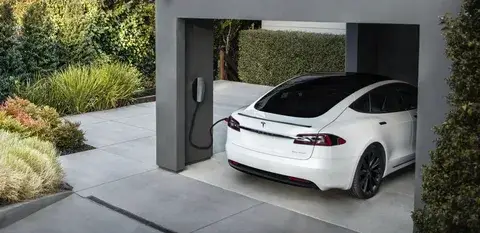
Choosing reliable Tesla charger installation gives Marion County homeowners a practical way to charge their vehicles at home. However, installing a Tesla charger involves more than mounting equipment in a garage. Panel capacity, circuit size, wiring condition, charger location, and electrical demand all affect safe performance.
Altech Electric helps homeowners in Marion County and Brevard County evaluate these factors before electrical work begins. A professional assessment can determine whether the existing panel has enough capacity for a dedicated charging circuit. It can also identify wiring or breaker concerns before regular charging starts.
Many homeowners work with experienced EV charging station electricians when adding high-demand equipment. Others prefer professional Home EV charger installation because home charging reduces dependence on public stations. Moreover, reliable residential charging can make daily EV use more convenient.
People searching for trusted EV charging station services near me should focus on electrical experience and clear recommendations. Qualified Electricians near me should also explain whether upgrades are truly needed. Good planning creates practical residential EV charging solutions that support both current charging needs and future electrical changes.
Understanding Tesla Home Charging Requirements
Tesla charging equipment needs a properly sized electrical circuit that matches the charger’s operating requirements. Therefore, electricians should review the home’s service capacity before deciding on breaker size or charging output.
Why a Dedicated Circuit Matters
A dedicated circuit keeps the charger separate from other household electrical loads. Professional planning also helps reduce breaker trips and overheating concerns.
Important installation factors include panel capacity, conductor size, grounding, breaker selection, and charger location. Professional EV charging station electricians in Marion County can evaluate these elements together instead of treating them as separate issues.
Homeowners should also consider charging habits. A driver who travels short distances each day may not need the highest possible charging output. As a result, the electrical setup can match practical daily needs rather than unnecessary maximum capacity.
Choosing the Right Tesla Charging Setup
An expert Tesla charger installation should reflect the vehicle, electrical system, and homeowner’s driving routine. Higher charging capacity may sound attractive, but it only helps when both the vehicle and electrical service can support it.
Match Charging Capacity to Daily Use
Before installation, homeowners should review five practical points:
- Typical daily driving distance
- Vehicle charging capability
- Available panel capacity
- Preferred charging location
- Possible future EV ownership
A reliable Home EV charger installation can provide convenient overnight charging without adding excessive electrical demand. Furthermore, the charger should be positioned where the cable reaches the vehicle without crossing busy walkways.
Thoughtful equipment selection can also reduce unnecessary upgrade costs. Therefore, homeowners should complete an electrical assessment before purchasing charging equipment.
Checking Your Electrical Panel First
The electrical panel already supplies HVAC equipment, appliances, lighting, outlets, and other household loads. Adding an EV charger increases that demand. Consequently, electricians should calculate available capacity before installation.
Panel Upgrades Are Not Always Necessary
A professional assessment should review:
- Main service rating
- Existing electrical demand
- Available breaker space
- Panel condition
- Proposed charger amperage
Homeowners searching for qualified Electricians near me should look for professionals who perform load calculations before suggesting major improvements. A panel upgrade may help some properties, but many homes can support charging without full replacement.
Reliable residential EV charging solutions should work with the home’s wider electrical system. Moreover, properly balancing existing and new loads can help maintain dependable performance throughout the property.
Selecting a Practical Charger Location
Charger placement affects convenience, wiring distance, cable management, and installation complexity. Therefore, homeowners should decide where the vehicle normally parks before the electrical route is finalized.
Make Daily Charging Easier
Consider these five location factors:
- Normal parking position
- Charging cable reach
- Distance from the panel
- Indoor or outdoor exposure
- Protection from accidental damage
A trusted Tesla charger installation often works well inside a garage or beside a regular driveway parking space. Outdoor installations can also work when the equipment carries the proper rating for exterior use.
People comparing EV charging station services near me should discuss location during the initial assessment. A shorter wiring route may reduce complexity, but convenience and safety should remain priorities.
Good placement prevents charging cables from becoming daily obstacles. Additionally, planning for another vehicle can make future expansion easier.
Working With Qualified EV Electricians
EV charging equipment places a continuous electrical load on the home. Therefore, installation quality directly affects charger reliability and electrical safety.
What to Look for Before Hiring
Homeowners should consider five qualities:
- Experience with EV charging circuits
- Clear load calculations
- Knowledge of charger specifications
- Transparent electrical recommendations
- Attention to future capacity
Qualified EV charging station electricians should explain why they recommend a particular circuit size or installation method. They should also review panel limitations rather than simply connecting new equipment.
Altech Electric can evaluate the charger alongside the home’s broader electrical requirements. This approach helps homeowners understand which improvements matter now and which can wait.
Professional guidance also reduces guesswork. As a result, homeowners receive an installation plan based on actual electrical conditions rather than general assumptions.
Preparing for Future EV Charging Needs
A professional Tesla charger installation should meet current needs while allowing reasonable flexibility. Households may add another EV, replace charging equipment, or increase electrical demand later.
Plan Without Overbuilding the System
Consider these five future needs:
- A second electric vehicle
- Different charger equipment
- Additional garage circuits
- New high-demand appliances
- Changes to parking arrangements
Flexible Home EV charger installation planning can reduce repeat electrical work if charging needs change. However, homeowners do not need to oversize every component for unlikely future scenarios.
Likewise, well-planned residential EV charging solutions in Brevard County should balance current requirements with realistic expansion. An electrician can explain which improvements provide useful flexibility and which upgrades can be postponed.
Practical planning keeps the project focused while supporting long-term convenience.
Conclusion
A home Tesla charger can make EV ownership more convenient, but dependable charging starts with sound electrical planning. Panel capacity, circuit sizing, wiring condition, charger placement, and vehicle requirements should all be reviewed before installation begins.
Marion County homeowners should start with a professional electrical assessment rather than assuming they need the largest charger or a new panel. Some properties already have enough available capacity. Others may need targeted electrical improvements before adding a charging circuit.
Choosing reliable Home EV charger installation in Marion County can help homeowners create a practical charging setup based on actual driving habits. Likewise, working with trusted EV charging station services near me in Marion County can provide useful guidance about equipment placement and electrical requirements.
Homeowners seeking experienced Electricians near me in Marion County should prioritize clear explanations, proper load calculations, and realistic recommendations. Similar planning applies to properties in Brevard County.
A well-designed charging system should support dependable daily use without creating unnecessary electrical work. With careful planning and professional installation, homeowners can prepare their electrical systems for convenient charging today and reasonable EV needs in the future.
FAQ’s
Does a Tesla charger need a dedicated electrical circuit?
Yes. Tesla home charging equipment generally requires a dedicated circuit sized according to the charger and electrical system.
Will I need to upgrade my electrical panel?
Not always. An electrician should calculate household demand first. Many homes have enough capacity without a complete panel upgrade.
Can a Tesla charger be installed outdoors?
Yes. Outdoor charging is possible when suitable exterior-rated equipment and electrical components are used.
Where is the best place to install a Tesla charger?
A garage or regular driveway parking area often works well. Cable reach, electrical access, and daily convenience should guide placement.
How should I prepare before installing an EV charger?
Know your vehicle’s charging requirements, preferred parking location, daily driving habits, and future EV plans. An electrician can evaluate the remaining electrical details.