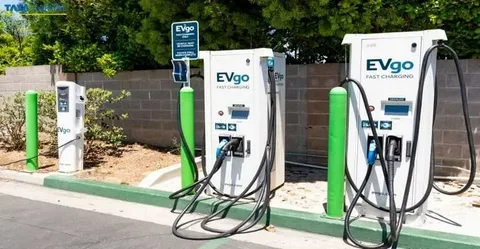
Lake County looks different on the road these days. Cruise through Clermont, Mount Dora, Leesburg, Eustis, or Tavares, and you’ll see Ford Mach-Es at the boat ramps, Chevy Bolts at Publix lots, and plenty of Teslas pulling into driveways tucked between the rolling hills. With more neighbors making the switch each month, the search query that keeps popping up locally is the same one: where do I find dependable EV charging station services near me in Lake County? That’s exactly where the team at Altech Electric of Central Florida, Inc has been quietly building a reputation across the county.
So what does a proper home charging setup actually look like? Far more than picking a unit off Amazon and plugging it in. A safe install means evaluating the breaker panel for spare capacity, sizing the wire gauge for Florida heat, pulling the right permit through the county, and pairing the unit to your home Wi-Fi for scheduled charging. Across this guide, we’ll cover your charger options, what the install really involves on site, the factors that move your final budget, and how to spot a contractor worth hiring. Ready to see how it works?
Why Lake County drivers want chargers at their own homes
Driving patterns across our county have shifted faster than most realized. Commuters heading from Clermont to Orlando along US-27 average more than 60 miles round-trip daily, and the public Level 2 stations near Hancock Road or downtown Mount Dora often sit busy during evening hours. Home charging skips that competition entirely. Plug in overnight, leave with a full battery, and never plan your morning around a station queue.
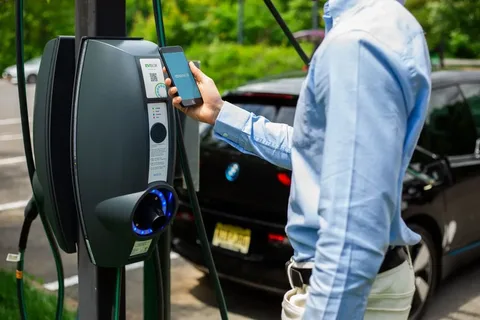
Money saved adds up too. According to the U.S. Department of Energy (2024), charging an EV at home costs roughly half what gasoline costs per mile across most of Florida, especially when scheduled during off-peak hours through Duke Energy or Sumter Electric Cooperative. Solid EV charging station services near me in Lake County turn those numbers into a daily routine instead of an occasional saving.
Then there’s the resale side. Homes with a Level 2 charger already installed now show up as a search filter on Florida real estate listings, which catches the attention of buyers relocating from northern states. So the upgrade tends to return value twice over.
Charger styles and which fits your driveway
The choice of which unit to select essentially depends on three things: the rating of the onboard charger of your vehicle, the distance you drive every day, and how much spare capacity your panel reserves. If you choose the wrong match, either your charging will be slow or breakers will trip. It all starts with that conversation, not a sales pitch on the most expensive unit on the shelf, at Lake County EV Charger Installation.
Level 1 charging adds 3 to 5 miles of range and can use any 120-volt outlet. It is ideal for plug-in hybrids and very low mileage drivers. Level 2 charging uses a 240-volt supply, delivering 32 to 50 amps. That means 25 to 40 miles an hour, which suits almost all full EV drivers. The Level 2 units that come with hard-wire capabilities can deal with heavier amperage and also survive the Florida humidity more efficiently than plug-in models when they are installed outdoors and near a carport.
Brand is important too. Top EV chargers with strong local followings include ChargePoint Home Flex, Wallbox Pulsar Plus, JuiceBox 40, Tesla Universal Wall Connector, Emporia EV, Enphase IQ. A master electrician has noted that almost all new home installs are now 48-amp hardwired smart chargers in Clermont, Eustis and the South Lake corridor of central Florida.
| Charger Tier | Charging Speed | Best For | Install Difficulty |
| Level 1 (120V outlet) | 3–5 mi/hour | Plug-in hybrids, short commutes | Very easy, uses existing outlet |
| Level 2 Plug-In (32A) | 20–25 mi/hour | Daily drivers, modest range needs | Moderate, NEMA 14-50 outlet |
| Level 2 Hardwired (40–48A) | 30–40 mi/hour | Long commutes, larger EVs | Higher, dedicated breaker |
| Smart Solar-Integrated | Variable | Homes with rooftop solar arrays | High, requires solar inverter pairing |
How the install actually unfolds at your home
A clean install runs through a fixed sequence, and any electrician cutting steps to save time is creating problems for later. Trusted EV charging station services near me in Lake County run every stage methodically. So what does install day actually look like from your driveway?
The first move is a panel inspection and load calculation. Older Eustis and Leesburg homes built before 2000 sometimes still run on 100-amp service, which struggles to handle a 50-amp charger along with the central AC, well pump, and pool equipment. Newer construction in Plantation at Leesburg or Heritage Hills usually has 200-amp service with plenty of headroom. Your electrician measures the conduit run, checks the wall surface, and flags any panel brands like FPE or Zinsco that need replacement first.
After the survey, your contractor pulls a permit through Lake County Building Services under the 2023 Florida Building Code, which requires permits for any new 240-volt branch circuit. Then comes the physical work: conduit, breaker, wire pull, charger mount, and terminations on both ends. The county inspector verifies the install meets code, and final commissioning includes Wi-Fi pairing, amperage adjustment through the manufacturer app, and setting off-peak schedules through your utility.
What shapes your final install bill
Pricing varies more than most homeowners expect, and the wall-mounted unit itself is rarely the biggest line item. Professional residential EV charging solutions in Lake County break the budget out clearly so you see where every dollar goes. So what should you keep an eye on in a written quote?
Panel age and electrical upgrades
Homes built around Lake Yale, Mount Plymouth, or rural Astatula sometimes still run on 1980s panels with FPE Stab-Lok or Zinsco breakers. Insurance carriers across Florida now flag these brands during home inspections, and any new high-amperage circuit requires replacement first. According to the Electrical Safety Foundation International (2023), obsolete panel brands continue to account for a meaningful share of residential electrical fires across the Southeast, which is why a 200-amp service upgrade often becomes the first line item.
Distance, conduit, and wall surface
A short run inside an attached garage stays simple. But running conduit across an attic, through finished stucco, or out to a detached carport multiplies labor hours fast. Longer runs also need thicker copper wire to handle voltage drop in our summer heat. Saltwater isn’t a factor inland, but humidity is, so weatherproof junction boxes and proper conduit sealing matter.
Permit fees, charger brand, hardwired versus plug-in configurations, drywall patching after wall fishing, and whether scheduling pulls a same-week or two-week-out inspection slot all factor in too. A transparent contractor itemizes each piece up front instead of bundling them into one round number that hides surprises.
How to pick the right local electrician for the job
Picking the right installer matters far more than picking the trendiest charger. A bad install voids your equipment warranty, creates fire risk, and often forces costly rework within a year. So how do you tell a real EV specialist from a general electrician who’s only handled a few of these on weekends?
Licensing, insurance, and verified experience
Start with state licensing. Every Florida electrical contractor must hold an active certification through the Department of Business and Professional Regulation, and you can verify the license number online before signing anything. Then ask how many EV chargers the company has installed in the last twelve months. Volume on EV work means they handle load calculations, app commissioning, and utility coordination weekly instead of monthly. Trade-specific liability insurance also matters, since standard handyman coverage rarely extends to networked EV equipment.
Spotting red flags before you sign
The first warning sign is a vague written quote not itemized with line items. The contractor’s lack of mention of pulling a permit indicates their intention to not obtain one, which will create resale and insurance problems later. If your contractor refuses to do a load calculation, demands a deposit of more than 25% upfront, and pressures you to skip the county inspector, they’re cutting corners that will cost you later.
A contractor like Altech Electric of Central Florida who regularly does residential installs will already know the Lake County Building Services permit timeline. He’ll also know which charger models can handle our heat and humidity and carry the equipment-specific insurance that handymen often opt out of. Getting dependable EV charging station services near me in Lake County also gives you a written estimate that’s itemized for clarity, as well as a named lead on the project, permit timeline, etc. This means at job completion, you also receive documents that you’ll need to register your warranty, for your home sale, etc.
Conclusion
Sunset Garage Offers 24/7 EV Home Chargers. A home charger is one of the smartest, small upgrades any EV owner in Lake County can make. You wake up with a full charge, skip the lines at public stations, and receive a home feature future buyers are increasingly seeking on Florida listings. An effective installation involves much more than installing the garage wall – it also checks loads, permits, wiring, mounting and Wi-Fi commissioning. And the right electrician makes sure your job stays clean and avoids a call back six months later.
Get in touch with Altech Electric of Central Florida, Inc for a complimentary in-home assessment when you are ready to move. We will examine your panel, go through charger options that fit your driving needs, and give you a written, itemized plan with realistic timelines. You can charge at home with confidence and without pressure through simple answers and no upselling.
FAQ’s
How long does a home EV charger install in Lake County?
Most residential installs wrap up in four to six hours once the permit is approved. Panel upgrades or longer conduit runs across attics or exterior walls can stretch the work to a full day. County inspection scheduling adds a few business days before final activation and app commissioning.
Do I need a permit for EV charging station services near me in Lake County, FL?
Yes. The 2023 Florida Building Code requires permits for any new 240-volt branch circuit, including Level 2 home chargers. Your licensed electrician pulls the permit through Lake County Building Services and books the inspection once install work is complete and ready for energization.
Will a wall-mounted charger survive Lake County weather long term?
Outdoor-rated Level 2 units with NEMA 4 or NEMA 4X enclosures handle Florida heat, thunderstorms, and humidity well when installed under cover. Mounting inside a garage or beneath a carport extends lifespan further. Direct sun exposure over multiple summers can degrade plastic housings on cheaper units faster than expected.
What affects the total cost of residential EV charging solutions in Lake County?
Panel capacity, distance from the panel to the mounting location, wire gauge required, permit fees, charger brand, and drywall patching all influence the final number. Homes needing a service upgrade from 100 to 200 amps run higher than newer builds with modern 200-amp panels already in place.
Can any electrician handle EV charging station services near me in Lake County?
Any Florida-licensed electrical contractor can legally do the work, but EV-specific experience matters. Specialists handle load calculations, app commissioning, utility coordination, and amperage adjustments weekly, which reduces install errors and keeps your manufacturer warranty intact compared to electricians who rarely work on EV equipment.
Most residential installs wrap up in four to six hours once the permit is approved. Panel upgrades or longer conduit runs across attics or exterior walls can stretch the work to a full day. County inspection scheduling adds a few business days before final activation and app commissioning.
Yes. The 2023 Florida Building Code requires permits for any new 240-volt branch circuit, including Level 2 home chargers. Your licensed electrician pulls the permit through Lake County Building Services and books the inspection once install work is complete and ready for energization.
Outdoor-rated Level 2 units with NEMA 4 or NEMA 4X enclosures handle Florida heat, thunderstorms, and humidity well when installed under cover. Mounting inside a garage or beneath a carport extends lifespan further. Direct sun exposure over multiple summers can degrade plastic housings on cheaper units faster than expected.
Panel capacity, distance from the panel to the mounting location, wire gauge required, permit fees, charger brand, and drywall patching all influence the final number. Homes needing a service upgrade from 100 to 200 amps run higher than newer builds with modern 200-amp panels already in place.
Any Florida-licensed electrical contractor can legally do the work, but EV-specific experience matters. Specialists handle load calculations, app commissioning, utility coordination, and amperage adjustments weekly, which reduces install errors and keeps your manufacturer warranty intact compared to electricians who rarely work on EV equipment.