
Learn how AFCI and GFCI troubleshooting in Altamonte Springs, FL identifies electrical faults, breaker trips, outlet issues, and safety concerns.
Modern electrical systems include safety devices designed to protect people, appliances, and the property itself. When these devices trip repeatedly, they are often responding to a real electrical condition that needs attention. Altech Electric of Central Florida, Inc helps homeowners understand electrical problems involving protective devices, circuits, and safety systems.
Proper AFCI and GFCI troubleshooting can help identify why a breaker or outlet keeps shutting off power. In Altamonte Springs and Apopka, FL, homeowners may experience repeated trips due to moisture, wiring problems, overloaded circuits, faulty appliances, or aging electrical components.
What AFCI and GFCI Devices Do
AFCI and GFCI devices serve different safety purposes, even though both can interrupt power when they detect a problem.
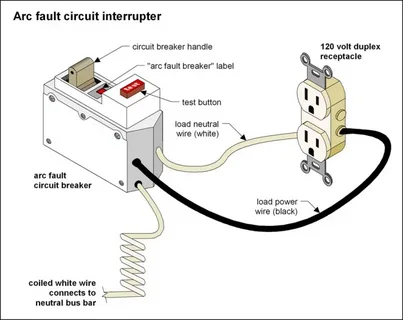
AFCI devices are designed to detect dangerous electrical arcs. These arcs can happen when wiring becomes damaged, loose, or compromised.
GFCI devices protect against electrical shock by monitoring current flow and shutting off power when they detect an imbalance.
Common locations for GFCI protection include:
- Bathrooms
- Kitchens
- Garages
- Outdoor outlets
- Laundry areas
- Areas near water sources
AFCI and GFCI troubleshooting in Altamonte Springs, FL protection is commonly found on circuits serving living areas, bedrooms, and other parts of modern homes.
How AFCI and GFCI Troubleshooting Finds the Problem
When a protective device trips, resetting it may restore power temporarily, but it does not always solve the cause.
During troubleshooting, an electrician may inspect:
- Breaker condition
- Outlet connections
- Wiring issues
- Appliance problems
- Moisture exposure
- Circuit loads
- Damaged electrical components
The goal is to determine whether the issue comes from the device itself or another part of the electrical system.
Common Reasons AFCI Breakers Trip
An AFCI breaker may trip when it detects an electrical arc or unusual current pattern.
Possible causes include:
- Damaged wiring insulation
- Loose electrical connections
- Faulty appliances
- Pinched wires
- Aging electrical components
- Improper modifications
- Circuit problems
Repeated trips should not be ignored. The AFCI is designed to identify conditions that may create a fire risk.
An AFCI breaker tripping repair in Apopka, FL may involve repairing wiring, replacing damaged components, correcting connections, or addressing a circuit issue.
Common Reasons GFCI Outlets Trip
GFCI outlets are especially sensitive to conditions involving electricity and moisture.
Common causes include:
- Water exposure
- Faulty appliances
- Outdoor moisture
- Ground faults
- Damaged wiring
- Overloaded circuits
- Defective GFCI devices
A GFCI outlet may trip because of a problem with something plugged into it rather than the outlet itself.
For example, a damaged outdoor appliance or extension cord may create a fault that causes the outlet to shut off.
AFCI vs. GFCI: Understanding the Difference
| Safety Device | Main Protection | Common Issues |
| AFCI breaker | Protects against electrical arc faults | Wiring damage, loose connections |
| GFCI outlet/breaker | Protects against electrical shock | Moisture, ground faults |
| Standard breaker | Protects against overloads | Excessive current demand |
Understanding the difference helps homeowners explain symptoms more accurately when requesting electrical service.
When GFCI Outlet Installation May Be Needed
Older homes may not have enough GFCI protection in areas where modern electrical codes require it.
A GFCI outlet installation service may be recommended when:
- Existing outlets lack required protection
- Outlets near water need updating
- Outdoor electrical access needs improvement
- A renovation changes electrical requirements
- Older outlets no longer function properly
Installing the correct safety devices helps improve electrical protection, but installation should match the circuit and property requirements.
Common AFCI and GFCI Troubleshooting Mistakes
One common mistake is repeatedly resetting a tripped device without investigating why it happened.
Another mistake is replacing the breaker or outlet without checking the wiring or connected equipment.
Homeowners should avoid:
- Using damaged extension cords
- Ignoring moisture near outlets
- Removing safety devices to stop trips
- Assuming every trip means the device is defective
- Overloading circuits with multiple high-demand devices
- Attempting internal electrical repairs without proper training
Safety devices should not be treated as an inconvenience. They provide important protection when electrical problems occur.
Best Practices for Electrical Safety
Pay attention to patterns. Note which outlet, appliance, or room causes the trip.
Unplug recently connected devices and see whether the problem continues. This information can help identify whether the issue comes from an appliance or the electrical system.
Keep outdoor electrical equipment protected from moisture and inspect cords regularly for damage.
Homeowners planning renovations, new appliances, or additional electrical equipment should consider an electrical evaluation before increasing circuit demand.
Actionable Tips Before Calling an Electrician
Before scheduling service, gather information about the problem:
- Which breaker or outlet is tripping?
- Does it happen immediately or after a period of use?
- What devices were operating at the time?
- Has the problem occurred before?
- Is moisture involved?
- Does resetting restore power temporarily?
Avoid opening electrical panels or removing outlet covers to investigate internal components.
Clear information helps an electrician diagnose the issue more efficiently.
Conclusion
Reliable GFCI outlet installation service focuses on finding the reason behind repeated trips instead of simply restoring power temporarily. These safety devices often provide an early warning that something in the electrical system needs attention.
Altech Electric of Central Florida, Inc helps homeowners in Altamonte Springs and Apopka, FL address electrical concerns involving AFCI breakers, GFCI outlets, and related safety systems. Proper diagnosis, timely repairs, and correct installation practices can help maintain a safer electrical environment.
FAQs
1. Why does my AFCI breaker keep tripping?
An AFCI breaker may trip because of damaged wiring, loose connections, faulty appliances, or electrical conditions that create an arc fault.
2. Why does my GFCI outlet keep resetting?
Repeated GFCI trips may result from moisture, faulty devices, wiring problems, or a defective outlet. The cause should be identified before replacing components.
3. Can I replace an AFCI or GFCI device myself?
Electrical devices require proper installation and testing. Incorrect work can create safety risks, so qualified electrical service is recommended.
4. What is the difference between AFCI and GFCI protection?
AFCI protection helps detect dangerous electrical arcs, while GFCI protection helps prevent electrical shock from current leakage.
5. When should I schedule AFCI and GFCI troubleshooting?
Schedule troubleshooting when breakers or outlets trip repeatedly, power interruptions continue, or you notice burning smells, buzzing sounds, moisture, or damaged electrical components.