
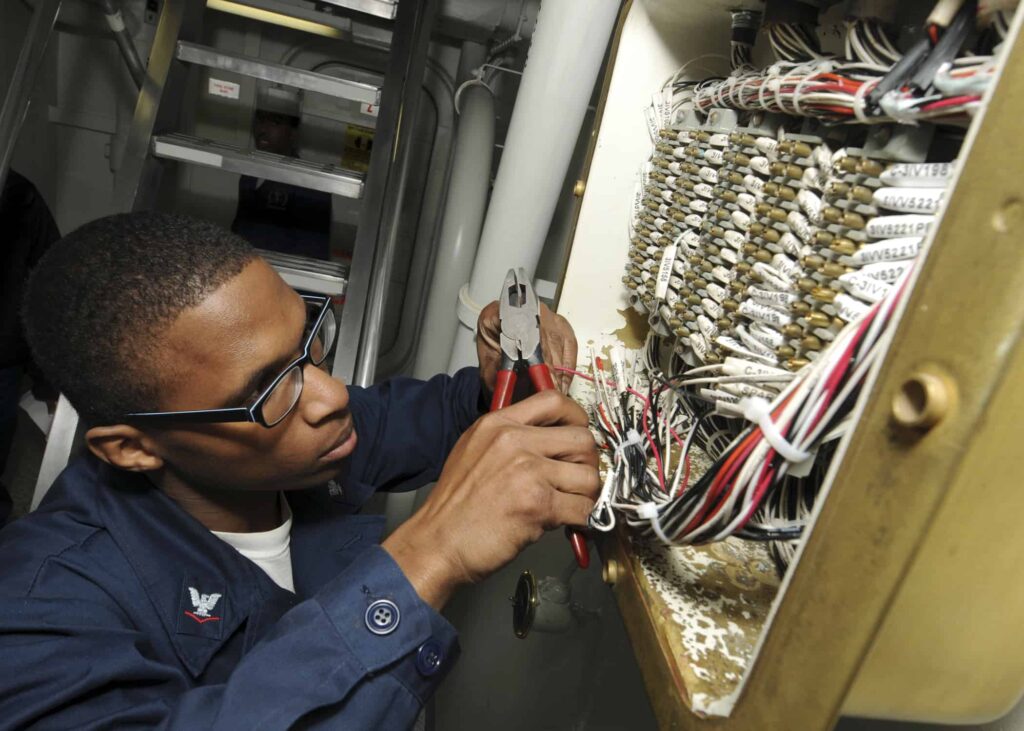
Commercial facility upgrades in Orange County, FL improve panels, lighting, power distribution, equipment wiring, safety, and electrical performance today.
Commercial buildings rarely keep the same electrical demands they had when first constructed. New equipment, additional workstations, upgraded lighting, expanded production areas, and modern technology can gradually place more demand on an older electrical system. Altech Electric provides electrical services for commercial and industrial properties throughout Central Florida, including facility upgrades, panel improvements, lighting, equipment wiring, circuits, and power distribution. Rather than replacing electrical components simply because they are older, a facility upgrade should start with understanding how the building operates today and what demands may be added in the future. Businesses in Orange County, Polk County, and surrounding areas can benefit from reviewing electrical capacity, aging equipment, overloaded circuits, lighting performance, machinery connections, and areas where expansion is planned. A well-organized upgrade can help a property support modern operations while reducing electrical limitations that interrupt everyday business activity.
What Electrical Facility Upgrades Can Include
Professional facility upgrade services can involve several parts of a commercial electrical system.
Projects may include panel improvements, new circuits, lighting upgrades, equipment wiring, power distribution changes, service improvements, or replacement of electrical components that no longer meet the needs of the facility.
The exact scope should depend on the property.
An office expanding into additional rooms may need more circuits and improved lighting. A warehouse adding machinery may require equipment connections and changes to power distribution. A retail space may need an electrical update during renovation or tenant improvements.
Facility upgrades work best when the contractor reviews the complete demand instead of addressing every new electrical need as a separate project.
This approach can help businesses understand how new loads affect panels, circuits, and other parts of the electrical infrastructure.
Facility Upgrades in Orange County, FL
Businesses considering facility upgrades in Orange County, FL may be remodeling existing space, expanding operations, adding equipment, or updating electrical infrastructure that has become outdated.
The Orange County area page specifically supports electrical wiring for new construction, additions, renovations, and electrical capacity improvements.
One useful starting point is identifying where electrical demand has changed.
A building may have added computers, HVAC equipment, appliances, production equipment, charging equipment, or other devices since the electrical system was originally designed.
Older circuits may still function but may not provide enough flexibility for continued growth.
Business owners should also consider spaces that regularly experience tripped breakers, limited outlets, extension-cord dependence, or inconsistent power availability.
These signs do not automatically mean the entire electrical system needs replacement, but they can help identify areas that deserve professional evaluation before further expansion.
Commercial Electrical Upgrades in Polk County, FL
Companies planning commercial electrical upgrades in Polk County, FL should consider both present electrical use and upcoming business changes.
The Polk County page supports electrical wiring, panel upgrades, system improvements, and electrical work for renovations and new structures.
A business moving heavier equipment into a facility may require a different electrical setup from an office adding more employees.
Retail properties can also experience changing demand as displays, lighting, point-of-sale equipment, refrigeration, or other systems are added.
Before installing new electrical equipment, the available system capacity should be reviewed.
Simply finding an open space in a panel does not confirm that the entire electrical service can support additional demand.
An electrician can evaluate the existing system and determine whether new circuits, panel work, distribution improvements, or other changes make sense for the planned expansion.
Modernizing Electrical Panels
Electrical panels distribute power to circuits throughout a facility.
As a building grows, more circuits may be added to support equipment, lighting, offices, HVAC systems, or specialized operations.
Eventually, an older panel may have limited space or capacity for continued expansion.
A panel upgrade can provide additional room for properly planned circuits when the existing system no longer supports the property’s electrical requirements.
However, panel replacement should follow an assessment rather than becoming the automatic answer to every electrical issue.
A contractor should review current loads, breaker condition, available capacity, and future requirements.
Businesses planning several upgrades should discuss them together.
Installing a larger piece of equipment today and another major electrical load six months later can affect the same panel and service calculations.
Planning ahead can make the overall electrical strategy more practical.
Power Distribution for Growing Facilities
Commercial buildings often rely on electrical distribution systems that move power from the main service to panels, equipment, lighting, and different areas of the property.
As the building changes, the original distribution layout may no longer match current operations.
A warehouse that once had mostly storage space may now contain production equipment.
An office may expand into previously unused rooms.
A commercial tenant may redesign the interior and move electrical loads to entirely different areas.
Facility upgrades can address these changes by reviewing how power reaches each part of the property.
New panels, feeders, circuits, or distribution improvements may be considered depending on the project.
The goal is to support the actual operating layout instead of continuing to add temporary solutions whenever another electrical need appears.
Upgrading Interior and Exterior Lighting
Lighting is one of the most visible parts of a commercial electrical upgrade.
Older lighting can affect visibility, energy use, maintenance, and the appearance of work areas.
Interior improvements may focus on offices, warehouses, retail areas, hallways, workspaces, or customer-facing sections.
Exterior lighting can support parking areas, building entrances, walkways, loading areas, and other outdoor spaces.
Before replacing fixtures, businesses should consider what each area needs.
A warehouse aisle requires different lighting from a reception area.
Outdoor parking areas have different coverage needs from decorative building entrances.
Controls can also be part of the discussion.
Timers, occupancy controls, or other lighting management options may help certain businesses operate lighting more efficiently without sacrificing practical illumination.
Equipment Wiring and New Machinery
Commercial and industrial facilities often add equipment as operations change.
New machinery may require dedicated circuits, disconnects, control wiring, or other electrical connections based on the equipment specifications.
The electrician should review those requirements before installation begins.
Businesses should avoid purchasing major electrical equipment without confirming whether the existing facility can support it.
Equipment voltage, current requirements, operating load, location, and connection method can all affect the project.
The wiring route should also be considered.
Equipment placed far from available electrical infrastructure may require additional conduit, circuits, or distribution work.
Planning equipment wiring as part of a broader facility upgrade can prevent electrical changes from becoming an afterthought after machinery has already been delivered.
Adding Circuits for New Business Needs
Commercial spaces often evolve one area at a time.
A new office may need outlets for computers and printers.
A break room may add appliances.
A production area may require dedicated circuits for tools or equipment.
A retail business may install displays, refrigeration, or new technology.
Adding circuits can support these changes when the electrical system has appropriate capacity.
The layout should reflect actual equipment placement rather than adding outlets wherever installation is easiest.
Circuit planning should also consider how the space may change again later.
An organized electrical layout makes future troubleshooting easier because loads are separated more logically instead of several unrelated devices depending on the same circuit.
Facility Upgrades During Renovations
Renovation provides a useful opportunity to improve electrical infrastructure because walls, ceilings, and work areas may already be accessible.
Businesses can coordinate new wiring with changes to lighting, equipment locations, offices, counters, workstations, or tenant layouts.
This is often easier than completing a finished renovation and then discovering that the electrical system does not support the new space.
Electrical planning should therefore happen early.
Contractors should know where equipment, lighting, outlets, panels, and major electrical loads will be located before finished surfaces are installed.
Coordination with other trades also matters.
HVAC, plumbing, framing, ceilings, cabinetry, and electrical work can compete for the same building spaces.
Clear planning reduces unnecessary changes after construction has already progressed.
Correcting Electrical Code Issues
Facility upgrades can also provide an opportunity to address known electrical code concerns.
Older commercial properties may contain electrical work completed under earlier requirements or modifications performed during previous renovations.
Not every older installation automatically creates a current problem, but unsafe or noncompliant conditions should be evaluated when identified.
Electrical improvements should follow the applicable requirements for the work being completed.
Businesses preparing for inspections, renovations, equipment changes, or property improvements may need certain issues corrected before the project can move forward.
A professional electrician can identify what work belongs within the current project and explain which conditions require attention.
Correcting issues during a planned upgrade can be more efficient than reopening completed areas later.
Reducing Operational Disruption
Commercial electrical work needs to consider how the business operates.
A residential project may affect one household, while electrical work in a commercial property can affect employees, customers, equipment, inventory, and revenue-producing operations.
Before work begins, businesses should explain which areas must remain operational.
Some electrical tasks may require planned shutdowns.
Others can be scheduled in stages so only one part of the facility is affected at a time.
Warehouses and industrial properties may also need equipment shutdowns coordinated with production schedules.
Retail and office businesses can have different priorities.
A clear work plan helps the contractor understand which electrical changes are most disruptive and how the project can be organized around normal operations when possible.
Planning for Future Electrical Demand
A facility upgrade should not focus only on what the business uses today.
Property owners should consider realistic changes expected over the next several years.
Future plans may include additional machinery, more employees, expanded offices, new HVAC systems, EV charging, lighting improvements, or larger production areas.
The current project does not need to install every future circuit immediately.
However, understanding likely growth can influence panel capacity, equipment locations, conduit pathways, and distribution planning.
This is especially useful for businesses investing in major renovation or electrical infrastructure work.
A little planning during an upgrade can prevent obvious limitations when the next phase of business growth begins.
Choosing a Commercial Electrical Contractor
A facility upgrade contractor should first understand how the property operates and why the electrical work is being considered.
Business owners should explain known problems, new equipment plans, expansion goals, recurring breaker issues, lighting concerns, and areas where electrical demand has increased.
The contractor can then evaluate the existing system and recommend work based on those conditions.
The project scope should clearly identify which panels, circuits, lighting systems, equipment connections, or distribution components are included.
Businesses should also discuss scheduling and planned shutdowns before work begins.
Altech Electric provides facility upgrade services for offices, warehouses, retail centers, industrial facilities, and other commercial properties throughout Central Florida.
Clear planning helps ensure the electrical improvements support business operations rather than simply replacing equipment without addressing the reasons an upgrade became necessary.
Conclusion
Electrical facility upgrades can help commercial and industrial properties adapt as equipment, staffing, technology, and operating requirements change.
For businesses in Orange County and Polk County, the project may involve panel improvements, new circuits, lighting updates, equipment wiring, power distribution, or other electrical infrastructure changes.
The strongest approach begins with understanding where electrical demand has increased and where future growth is expected.
A facility that has operated for many years may still have functional electrical equipment, but the original system may no longer match the way the building is currently used.
By reviewing capacity, distribution, equipment connections, lighting, and future plans together, businesses can create a more organized electrical strategy.
Professional upgrades can then focus on the parts of the system that actually need improvement while supporting safer and more dependable business operations.
Frequently Asked Questions
What is included in an electrical facility upgrade?
Facility upgrades can include panel improvements, new circuits, lighting upgrades, power distribution changes, equipment wiring, service improvements, and other commercial electrical work.
When should a business consider a facility upgrade?
An upgrade may be worth evaluating when electrical demand increases, new equipment is added, breakers trip frequently, renovations are planned, or older infrastructure limits expansion.
Does every facility upgrade require a new electrical panel?
No. Panel replacement depends on existing condition, available capacity, breaker space, current electrical demand, and the requirements of planned improvements.
Can facility upgrades be completed during a commercial renovation?
Yes. Renovation can be a useful time to install new wiring, circuits, lighting, and equipment connections because portions of the building may already be open.
Can electrical upgrades support new commercial equipment?
Yes. New equipment may require dedicated circuits, wiring, disconnects, distribution changes, or other electrical improvements based on its specifications.
Why should future electrical demand be considered now?
Planning for realistic future growth can help businesses avoid installing electrical infrastructure that becomes restrictive soon after the current upgrade is completed.